
Yamunotri is a holy pilgrimage place in Uttarakhand and the starting point of the Yamuna River — and also the first stop on the Chardham Yatra route. Among the most important places to visit in Yamunotri, the main temple draws the most pilgrims, but the area around it has much more to offer. Whether you visit for devotion, adventure, or relaxation, spending time here feels genuinely different — away from noise, close to the mountains.
How to Reach Yamunotri
| Route From | Distance to Janki Chatti | Mode of Travel |
| Dehradun | ~180 km to Barkot, then 10 km to Janki Chatti | Bus or taxi via Barkot |
| Haridwar | ~220 km | Bus or taxi via Barkot |
| Rishikesh | ~200 km | Bus or taxi via Barkot |
| Delhi | ~420 km | Overnight bus/car to Barkot |
Janki Chatti is the last motorable point. From here, the trek to Yamunotri Temple begins. No vehicle goes beyond Janki Chatti.
Best Time to Visit Yamunotri
Yamunotri Temple opens every year on Akshaya Tritiya (April/May) and closes on Yama Dwitiya (October/November). The best time to visit is May–June and September–October when weather is clear. July–August (monsoon) brings landslide risk on mountain roads — travel is possible but involves risk.
Trek Cost from Janki Chatti to Yamunotri
| Mode | One Way Cost (Approx.) | Return Cost (Approx.) | Trek Time |
| Walking (self) | Free | Free | 2.5–3 hours |
| Pony / Mule | Rs 600–900 | Rs 1,200–1,500 | 1.5–2 hours |
| Palki (4 bearers) | Rs 2,500–4,000 | Rs 4,500–7,000 | 2.5–3 hours |
| Pithoo (Porter) | Rs 500–800 | Rs 1,000–1,500 | 2.5–3 hours |
Rates vary by season and demand. Always negotiate and confirm before starting. All services are available at the Janki Chatti starting point.
Top 10 Places to Visit in Yamunotri
1- Yamunotri Temple
- Starting point of the revered Char Dham Yatra
- Dedicated to Goddess Yamuna
- Scenic 5–6 kilometre trek from Jankichatti
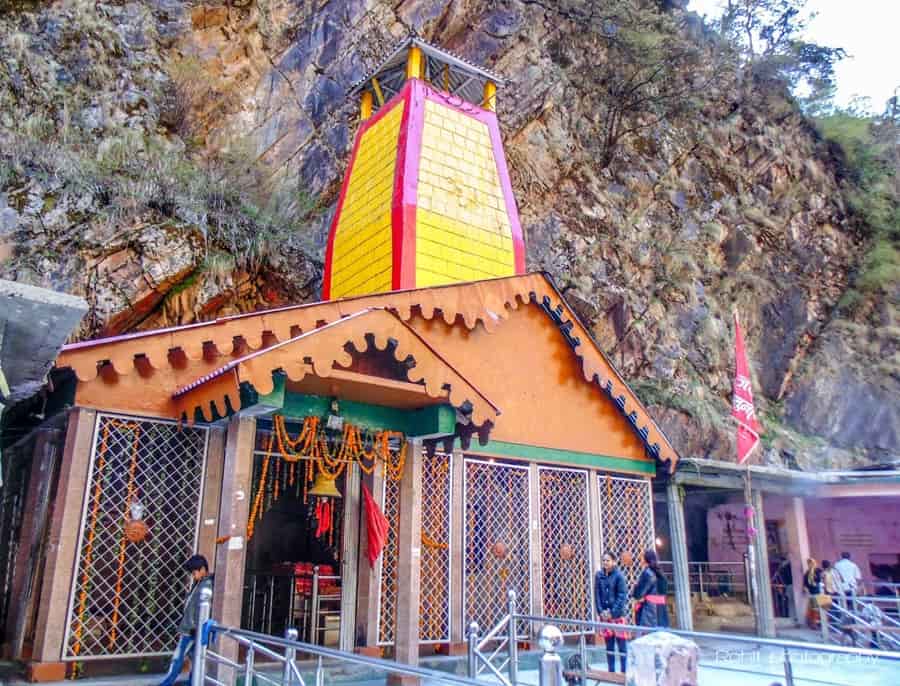
The Yamunotri Temple, built for Goddess Yamuna, is a famous pilgrimage destination in Yamunotri. This is an important site for those traveling on the Chota Char Dham Yatra in Uttarakhand. The Yamuna River is the second holiest river after the Ganga. People believe that bathing in its waters washes away sins and grants moksha.
Next to the temple, a river flows, and inside there is a large black marble statue of Goddess Yamuna. The temple is open between May and November. It closes in winter due to heavy snowfall. The fresh air, snow-covered hills, and the sound of the flowing river make this place deeply peaceful.
Time Needed to Explore: 2 to 3 hours
2- Surya Kund
- Natural hot water spring with healing properties
- Named after the Sun God, Surya
- Pilgrims cook Prasad in the steaming waters
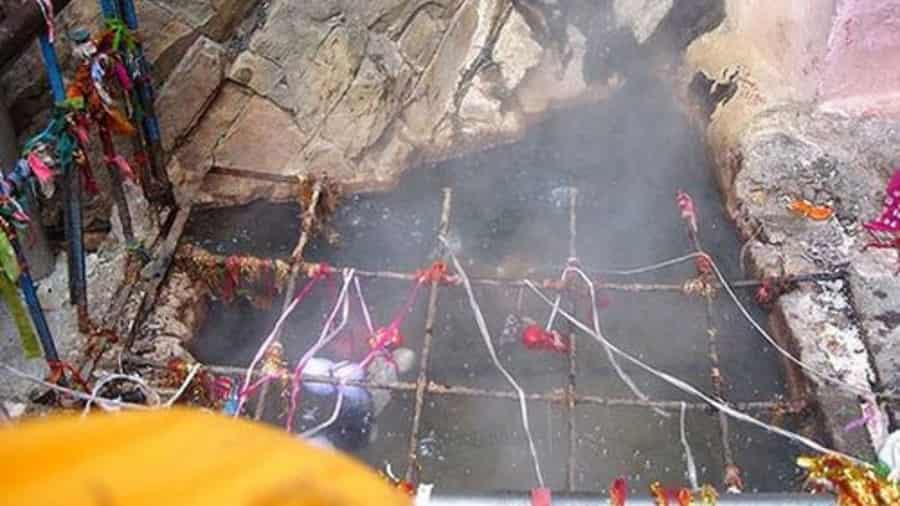
This natural spring is named after Surya (Sun God) in Hindu mythology, as the Yamuna River is believed to be Surya’s daughter. Its water temperature is around 88°C, and the snow-covered mountains in the background make the scene truly striking.
People from different parts of the world visit this holy kund. The temple priests prepare prasad by mixing salt with potatoes or rice and wrapping it in a muslin cloth. After cooking it in the hot spring, it is offered to the deity. Later, the prasad is distributed to pilgrims.
Time Needed to Explore: 30 minutes to 1 hour
3- Divya Shila
- Revered stone pillar radiating divine light
- Rituals performed before entering the temple
- Offers blessings for prosperity and spiritual enlightenment
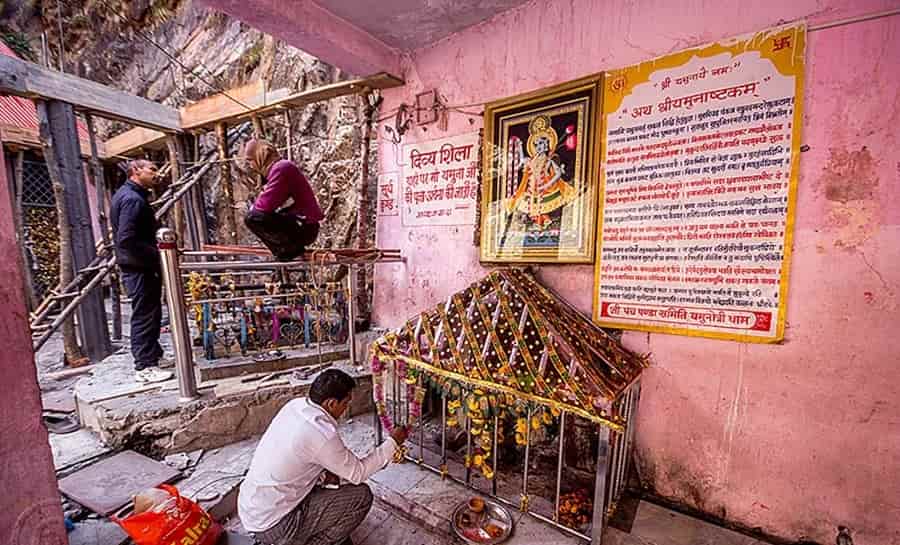
Divya Shila is a holy stone placed just outside the Yamunotri Temple. It is also known as the ‘slab of divine light’. Before going inside Yamunotri Temple, pilgrims stop to worship Divya Shila. It is believed that praying at this sacred rock before entering the temple makes the prayer more meaningful.
Time Needed to Explore: 15 to 30 minutes
4- Janki Chatti
- Gateway to the spiritual realm of Yamunotri
- Natural hot water springs for bathing
- Tranquil ambiance and vibrant local markets
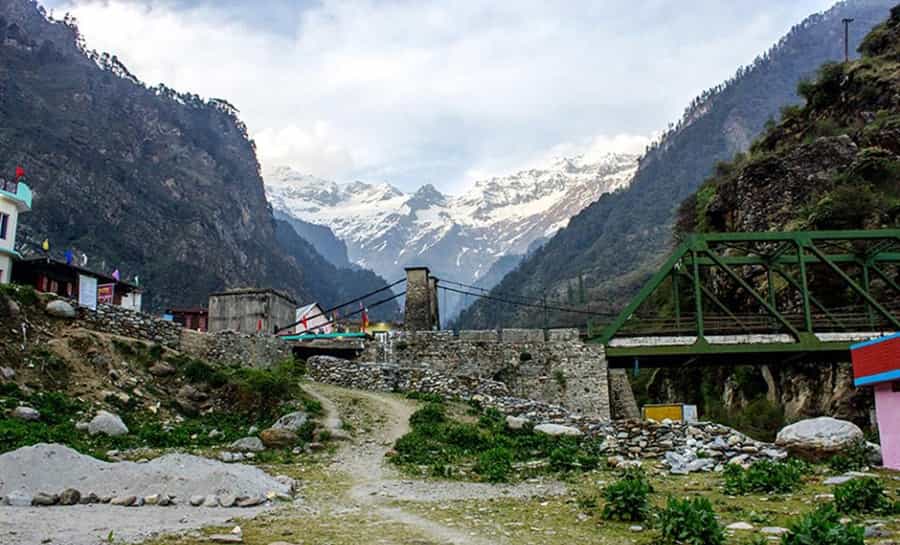
The trek to Yamunotri starts from Jankichatti. It is 5–6 km long and takes around 2.5 to 3 hours. You can walk or hire a mule, palki (palanquin), or pithoo (carrier) from here. It is surrounded by stunning mountains and has a calm atmosphere. Several restaurants and food stalls offer North Indian meals. As you continue, you will spot small rivers and waterfalls along the route.
Time Needed to Explore: 1 to 2 hours
5- Hanuman Chatti
- Base camp for treks to Darwa Top and Dodi Tal
- Serene ambiance amidst breathtaking scenery
- Confluence of Hanuman Ganga and Yamuna rivers
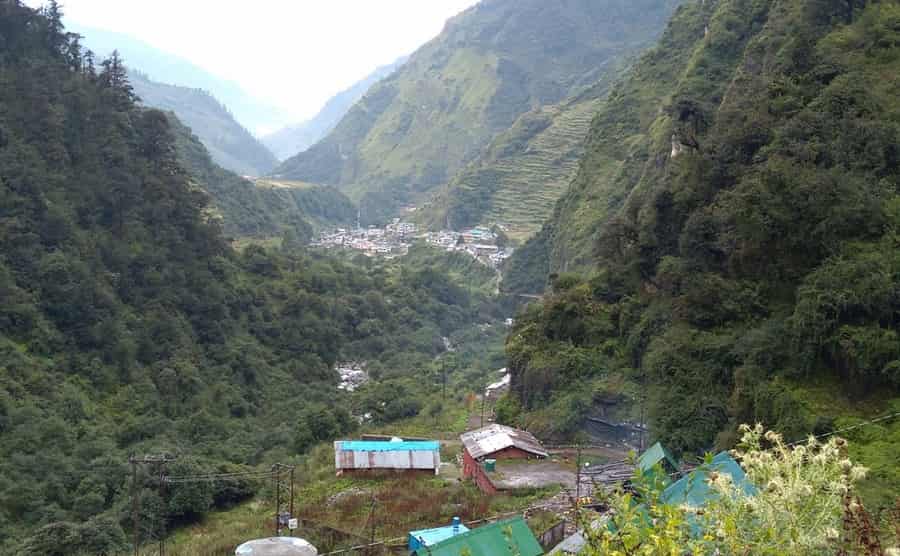
Hanuman Chatti is 13 km from Yamunotri temple, where the Hanuman Ganga and Yamuna rivers meet. This place is known for its Hanuman Temple, which is the main attraction. Hanuman Chatti was the old starting point for the Yamunotri Dham trek until the road to Janki Chatti was built, reducing the trek distance by 7 km. It is a popular overnight stop for pilgrims and has good accommodation options.
Time Needed to Explore: 1 hour
6- Kharsali
- Winter seat of Goddess Yamuna
- Ancient Shani Dev Temple with unique architecture
- Beautiful Himalayan landscapes
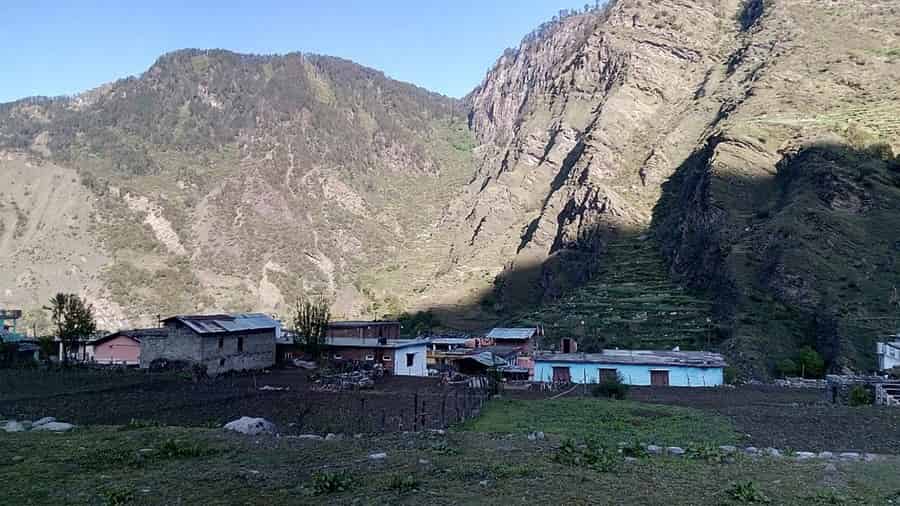
Kharsali is called the home of Goddess Yamuna in winter, when snow blocks the path to Yamunotri Temple. The Goddess Yamuna idol is placed here during the winter months. The oldest Shani Dev Temple in India is also located at Kharsali. The temple is made of stone, wood, and a special mortar made from Urad dal (black gram) — a remarkable construction technique. Tourists come here to explore its beautiful landscapes, old temples, and peaceful atmosphere.
Time Needed to Explore: 2 to 3 hours
7- Shani Dev Temple
- Oldest temple dedicated to Lord Shani
- Located at an elevation of 7,000 feet
- Pilgrims seek blessings for prosperity and protection
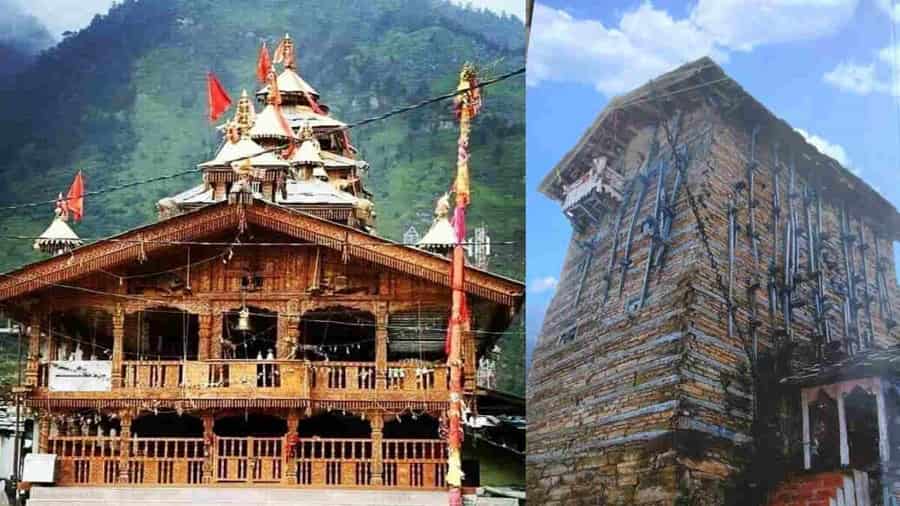
Perched at an elevation of 7,000 feet, the Shani Dev Temple in Kharsali stands as a symbol of resilience and devotion. Believed to be the oldest temple dedicated to Lord Shani, this sacred site attracts devotees seeking solace and redemption. The temple’s exquisite architecture and ancient rituals offer a glimpse into the rich tapestry of Hindu mythology.
Time Needed to Explore: 1 hour
8- Saptrishi Kund
- High-altitude lake at 4,421 metres — origin of the Yamuna River
- Challenging trek, no fixed trail — experienced trekkers only
- Seven sages (Saptarishis) believed to have meditated here
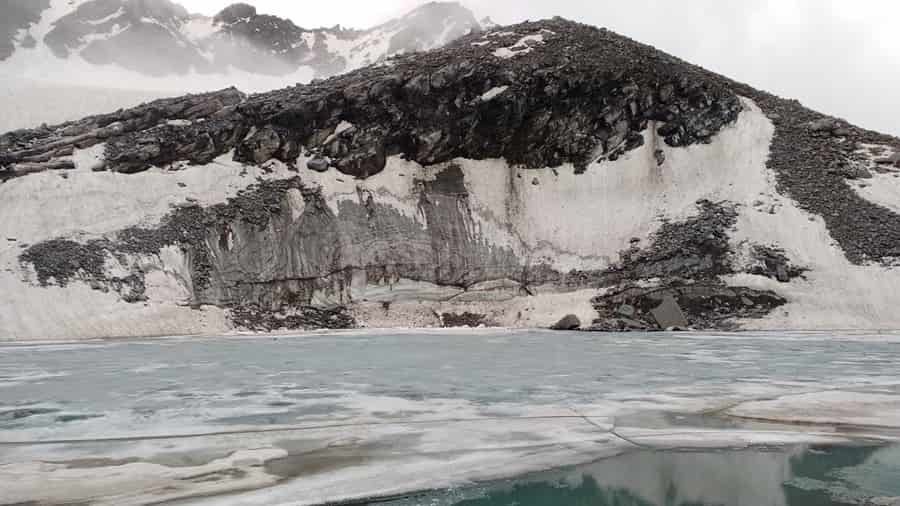
Saptrishi Kund is a high-altitude lake located 4,421 metres above sea level. Trekking to Saptrishi Kund is very challenging — there are no proper pathways or camping spots, and most of the route is covered in ice. The lake’s clear blue water and stunning surroundings make it special for those who make the effort. Many devotees revere this kund as seven great sages — Rishi Kashyap, Atri, Bhardwaj, Vasistha, Jamadagni, Gautama, Viswamitra — are believed to have meditated here.
Time Needed to Explore: 1 to 2 hours (at the lake, after trek)
9- Dodital Lake
- Altitude: 3,310 metres
- Named after the rare Himalayan trout (Dodi fish) found only here
- A sacred Lord Ganesha temple nearby attracts pilgrims
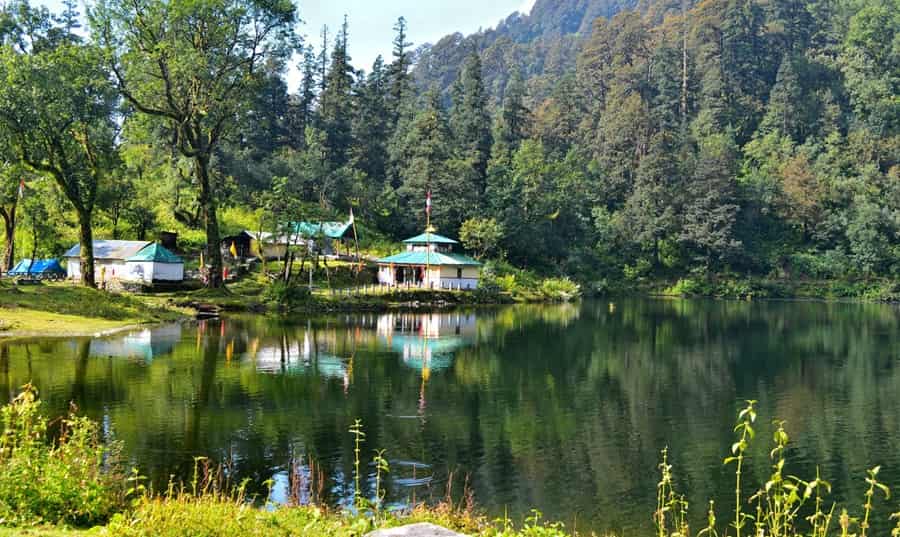
Perched at 3,310 metres above sea level, this clear lake is known for its serene environment. Named after the Dodi — a rare Himalayan trout species found exclusively in this lake — it also has a Lord Ganesha temple nearby that draws pilgrims. Dodital is a 2-day trek from Uttarkashi and is best explored as an add-on to the Yamunotri visit.
Time Needed to Explore: 2 to 3 hours at the lake
10- Barkot
- Altitude: 1,220 metres
- Stunning views of the Bandar Poonch ranges
- Main stopover town before Janki Chatti; last ATM point
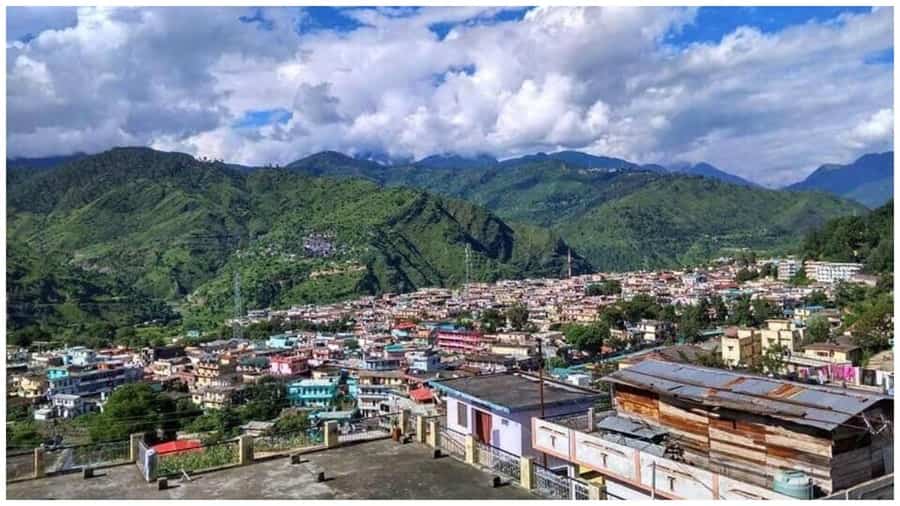
Barkot is a quiet town perched at 1,220 metres, offering views of the snow-clad Bandar Poonch ranges. It serves as a stopover for pilgrims visiting Yamunotri and Gangotri and as the base for trekking enthusiasts. Most pilgrims spend the night here before heading to Janki Chatti the next morning. Withdraw cash here — there are no ATMs ahead at Yamunotri.
Time Needed to Explore: 1 to 2 hours
Safety Tips for Visiting Yamunotri
- Carry cash from Barkot or earlier — no ATMs at Yamunotri
- Start the trek by 7–8 AM to avoid afternoon crowds and return before dark
- Wear layers — temperature drops sharply even in June at this altitude
- Check road conditions before leaving — landslides are frequent in July–August
- Those with heart conditions or breathing issues should consult a doctor before the high-altitude trek
- Mobile signal is weak at Yamunotri — inform family of your plan before leaving Barkot
Frequently Asked Questions
Q:1- How are the roads and trekking paths in Yamunotri?
Ans: Since the 2013 Uttarakhand disaster, it is important for tourists to check road conditions before visiting Yamunotri. The road to Hanuman Chatti is in good condition, and the trek from Janki Chatti is well-maintained. Avoid traveling in the monsoon and follow safety instructions from locals.
Q:2- Which trekking route is the most famous in Yamunotri?
Ans: The Janki Chatti to Yamunotri Temple trek (5–6 km) is the main route. Barkot is also a good base for trekking — it is a medium level trek with amazing views of trees and surrounding nature.
Q:3- How long does it take to visit all the places in Yamunotri?
Ans: It typically takes 2 to 3 days to explore all the main places of Yamunotri.
Q:4- Are ATM services available in Yamunotri?
Ans: There are no ATMs at Yamunotri. We recommend withdrawing cash from places like Barkot, Naugaon, or Damta before you go.
Conclusion
Yamunotri is a peaceful and spiritual destination that everyone visiting the Chardham Yatra will cherish. The Yamunotri Temple dedicated to Goddess Yamuna and the hot springs at Surya Kund are the top draws, but places like Janki Chatti, Hanuman Chatti, Saptrishi Kund, and Kharsali add depth to the experience. Before you visit, check road conditions, plan for 2–3 days, and do not forget to carry sufficient cash as there are no ATMs at Yamunotri.
Check out:


 Call
Call Enquiry