
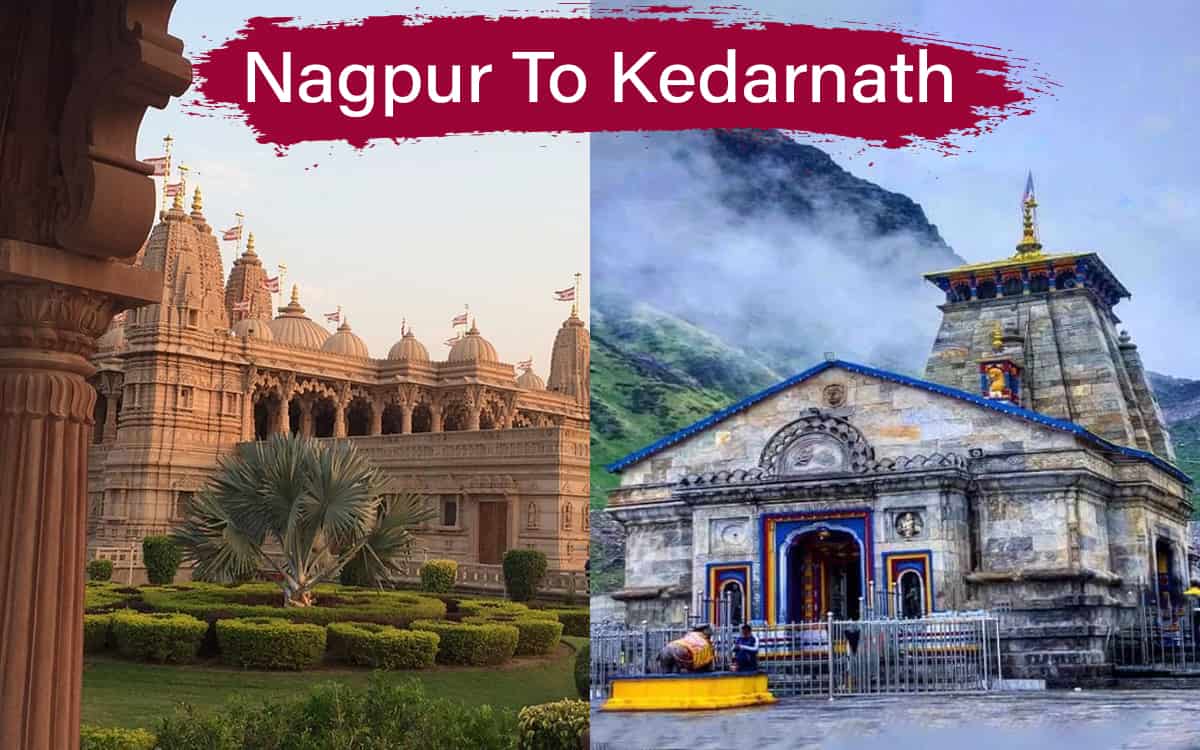
The journey from Nagpur to Kedarnath covers approximately 1,150 to 1,300 km by road and takes 4 to 7 days total, including the approximately 16 km trek from Gaurikund to the temple. Most travelers combine flights or trains with road transport to balance cost and comfort.
Important Note: Kedarnath temple opened on April 22, 2026. The closing date should be confirmed on the official BKTC/Uttarakhand Tourism website before travel planning, as closure dates can vary depending on weather and maintenance schedules.
Quick Answer
Most practical route: Nagpur → Haridwar/Rishikesh (via flight or train) → Guptkashi (by road, 8-9 hours) → Gaurikund (2 hours) → Trek to Kedarnath (approximately 16 km, 5-8 hours)
Total journey time: 4-7 days including acclimatization Best time: May-June (clear weather, manageable conditions) or September-October (fewer crowds, stable weather) Budget range: ₹15,000-₹28,000 per person (varies significantly by transport and accommodation choices)
Best Routes: Comparing Your Options
Route 1: Air + Road (Time-Saving Option)
Best for: Travelers with limited time, corporate groups, those preferring to reduce overland travel
Journey breakdown:
- Nagpur to Dehradun (Jolly Grant Airport): Requires connecting flight (via Mumbai or Delhi); typical total travel time 6-8 hours with connections
- Dehradun to Guptkashi: Approximately 6-7 hours by road
- Guptkashi to Gaurikund: Approximately 2 hours
- Gaurikund to Kedarnath: Trek of approximately 16 km (5-8 hours depending on fitness and pace)
Flight pricing (2026 ranges):
- IndiGo, Air India, SpiceJet operate connecting routes from Nagpur
- Typical fares: ₹5,500–₹8,500 (economy, off-peak to shoulder season)
- Peak season (May-June) fares may be higher
- Book 30+ days in advance for better availability
Total estimated cost: ₹8,000–₹15,000 per person (flight only)
Pros: Reduces overall journey duration, less time on roads, allows more time for acclimatization
Cons: Most expensive option, connecting flights add complexity, weather delays possible at mountain airports
Route 2: Train + Road (Popular Budget Option)
Best for: Budget-conscious travelers, those with flexible schedules, families seeking a slower pace
Journey breakdown:
- Nagpur to Haridwar/Rishikesh: Approximately 22-28 hours by train (with connections)
- Haridwar/Rishikesh to Guptkashi: Approximately 8-9 hours by shared transport
- Guptkashi to Gaurikund: Approximately 2 hours
- Gaurikund to Kedarnath: Trek of approximately 16 km
Train routes from Nagpur:
- Multiple connecting options available; direct Nagpur-Haridwar trains not currently available
- Check current IRCTC schedules for latest route options
- Sleeper class fares vary; budget ₹1,500–₹2,500 depending on season and class
- Book through IRCTC.co.in or authorized ticket counters
Road transport (Haridwar/Rishikesh to Gaurikund):
- Shared taxis/tempos: ₹1,000–₹1,500 per seat (typically 10-12 hour shared journey with multiple stops)
- Private cab for 4 people: ₹5,000–₹7,500 total (approximately ₹1,250–₹1,875 per person)
- Tempo traveller (group of 12): ₹12,000–₹18,000 total (₹1,000–₹1,500 per person)
Pros: Most economical overall, allows rest stops in pilgrimage towns, scenic mountain drive, good option for seniors
Cons: Longer overall journey time, seat/transport availability limited during peak season, requires careful connection timing
Total estimated cost: ₹3,000–₹8,000 per person
Route 3: All-Road Journey (Self-Drive or Rental)
Best for: Groups, travelers with flexible schedules, those preferring maximum route flexibility
Journey:
- Nagpur to Haridwar via NH 44: Approximately 1,150-1,250 km, roughly 20-22 hours driving time (depending on stops and route)
- Haridwar to Guptkashi: Approximately 250 km, 7-8 hours
- Guptkashi to Gaurikund: Approximately 2 hours
- Gaurikund to Kedarnath: Trek
Vehicle options:
- Own vehicle: Fuel approximately ₹3,500–₹5,000, toll charges ₹600–₹900
- Rented SUV/sedan: ₹2,500–₹4,500/day for 4-5 days = ₹10,000–₹22,500
- Driver-included rental: ₹4,000–₹6,000/day
Road condition notes:
- NH 44 is well-maintained with regular rest stops
- Haridwar to Guptkashi roads generally in good condition
- Road conditions can be affected by weather; heavy rainfall can cause disruptions
- Always check current road advisories before travel during monsoon season (July-August)
Pros: Maximum flexibility, can adjust pace and stops as needed, suits group travel dynamics
Cons: Physically demanding, fuel and toll costs significant, requires experienced driver, mountain roads have curves and elevation changes
Total estimated cost: ₹8,000–₹24,000 per person
Helicopter Option: Direct to Mountain Helipads (2026 Booking)
For those seeking to reduce trekking distance, helicopter shuttle services operate during peak pilgrimage season (approximately May-June, September-October).
Official booking system:
- Helicopter tickets are booked exclusively through IRCTC HeliYatra system
- Access through official IRCTC website or authorized travel agents
- Aadhaar verification required at time of booking
- Original photo ID required for verification at the helipad
- Ticket prices are regulated; verify current fares on official IRCTC portal
Important conditions:
- Helicopter operations are weather-dependent and subject to daily clearance
- No guarantees for seat availability or operation due to weather, terrain conditions, and pilgrimage management
- Cancellation policies apply; check IRCTC website for current terms
- Bookings should be made well in advance during peak season
Why book through official IRCTC only: Unauthorized agents and websites may offer misleading information about fares, availability, or guarantees. Always verify bookings directly through the official IRCTC HeliYatra platform.
2026 Kedarnath Opening: What You Need to Know
Temple opening: April 22, 2026 (confirmed) Closing date: Check official BKTC/Uttarakhand Tourism website closer to November for current year closure plan Deity location during closed season: Ukhimath (November-April) Darshan timing: Check official BKTC website for current daily timings; schedules may vary by day and season
Do not assume winter access: The temple is closed to pilgrims outside the operating season. Verify opening/closing dates on official sources before planning winter travel.
Best Season to Travel: 2026 Breakdown
May to June (Peak Pilgrimage Season)
- Weather conditions: Generally stable, clear skies, daytime temperatures typically mild
- Accessibility: Roads generally clear; good pilgrimage season
- Crowds: High volume of pilgrims; expect busy accommodations and trek paths
- Booking: Accommodations and transport fill quickly; advance booking 4-6 weeks recommended
- Costs: Typically 20-30% higher than off-season rates
- Best for: Those prioritizing stability and established facilities
July to August (Monsoon Season)
- Weather conditions: Rainfall common, higher humidity
- Road conditions: Landslide risk; road closures possible after heavy rain
- Helicopter operations: Severely restricted or unavailable
- Crowds: Lower pilgrim volume
- Recommendation: Not recommended unless absolutely determined; significant weather-related risks
- Booking: Easier availability but weather-dependent cancellation risk
September to October (Autumn Season)
- Weather conditions: Generally stable post-monsoon, clear mountain views increasingly common
- Accessibility: Roads open and safe; moderate pilgrimage conditions
- Crowds: Moderate pilgrim volume, calmer than peak season
- Costs: Standard pricing
- Booking: Accommodations available with 2-3 weeks notice
- Best for: Experienced trekkers seeking balance of weather stability and fewer crowds
November to April (Winter/Temple Closed)
- Temple status: Closed to pilgrims; deity moved to Ukhimath
- Conditions: Heavy snow possible at Kedarnath altitude (approximately 3,580 m)
- Access: Not available to general pilgrims
- Recommendation: Not suitable for Kedarnath darshan
Registration & Documentation (2026)
Kedarnath Yatra registration is mandatory.
Where to register: Visit the Uttarakhand Yatra Portal (https://registrationandtouristcare.uk.gov.in/) — this is the official government registration system for all Char Dham pilgrimages including Kedarnath.
For Indian pilgrims:
- Valid photo ID required (Aadhaar, passport, voter ID, or driving license)
- Complete registration through official Uttarakhand Tourist Care portal/app before travel
- Carry registration certificate or QR code for verification at checkpoints
- Registration helps with emergency support and yatra management
For foreign travelers:
- Valid passport with Indian visa required
- Foreign Traveller Regional Registration Office (FRRO) involvement may apply depending on visa type and stay duration
- No special pilgrimage permit needed for Kedarnath
Health & travel documents:
- COVID vaccination no longer mandatory as a travel requirement
- For seniors or those with chronic conditions: Medical clearance recommended before high-altitude travel
- Travel insurance highly advised (₹300-₹800 for 5-7 days)
- Carry any prescription medications in original bottles with labels
Where to register:
Visit the official Uttarakhand Yatra registration portal for current registration procedures and to obtain your registration certificate.
Practical Planning for Nagpur Travelers
Money management:
- ATMs available in Haridwar, Rishikesh, Guptkashi
- Above Guptkashi, cash is preferred; card facilities limited
- Carry ₹1,000-₹2,000 cash buffer
- UPI payments (Google Pay, Paytm) increasingly accepted but not guaranteed
Hydration and food:
- Drink bottled/purified water exclusively above Guptkashi altitude
- Pack minimum 2-liter water capacity for trek
- Light breakfast at 4-5 AM before trek; avoid heavy meals previous evening
- Energy foods: nuts, energy bars, dried fruits, electrolyte drinks
- Tea/snacks available at established rest stops on Gaurikund-Kedarnath route
Essential gear:
- Sturdy, well-broken-in trekking shoes (never new shoes for the trek)
- Warm fleece or down jacket (essential for early morning/evening)
- Waterproof rain jacket (weather changes rapidly in mountains)
- Sun protection: hat and high-SPF sunscreen
- Compression socks reduce altitude strain
- Wool socks for moisture management
- Layered clothing system (temperature drops with altitude)
Communication:
- Mobile network (Jio, Airtel, VI) coverage on most routes
- Signal weak in valleys and at higher elevations
- Download offline maps (Google Maps offline, AllTrails) before departure
- External battery/power bank essential for 2-3 days
Physical preparation:
- Regular walking (3-4 km daily) for 4 weeks before travel
- Critical: Proper altitude acclimatization
- Haridwar (340 m altitude): 1-2 nights for body adjustment to pilgrimage environment
- Guptkashi (1,319 m altitude): Essential overnight stay for acclimatization before higher trek
- Never skip Guptkashi overnight; going directly from Haridwar to Gaurikund trek causes altitude symptoms
- Spend 2 nights at Guptkashi if you have breathing concerns or are over 60 years old
- Each night at higher altitude allows your body to adjust oxygen levels
- Trek start time: 5-6 AM (avoid afternoon heat, finish by evening)
- Pace yourself; altitude trekking is not a race
- Multiple rest breaks every 2-3 km are normal and necessary
- Climb slowly: 300-400m altitude gain per day is safe rate
Common issues to prevent:
- ❌ Skipping acclimatization steps (leads to altitude-related symptoms)
- ❌ Overpacking (keep trek bag under 8 kg)
- ❌ New or uncomfortable footwear
- ❌ Traveling during July-August without checking weather forecasts
- ❌ Late accommodation bookings during peak season
- ❌ Insufficient water supply for trek
- ❌ Rushing the trek schedule
- ❌ Assuming helicopter operation guarantees (weather-dependent)
- ❌ Booking through unofficial agents or platforms
- ❌ Underestimating physical demands
Emergency Information & Safety Contacts
Emergency services in pilgrimage areas:
- Police: 100 (national emergency)
- Medical emergency: 112 (ambulance services)
- Uttarakhand Tourism Emergency: +91-9039-100-100
- District hospital Rudraprayag: +91-1364-22-2133
Important precautions:
- No emergency services at Kedarnath: The temple sits at 3,580m altitude with no hospital or rapid evacuation. For serious altitude sickness, medical emergencies require descent to Gaurikund or lower.
- Weather-dependent access: Roads can close suddenly during heavy rain (July-August). Always check current weather and road advisories from local authorities before travel.
- Weather forecast sources: Check India Meteorological Department (IMD) website or local Uttarakhand Tourism updates for current mountain conditions.
- Carry medical essentials: High-altitude first-aid kit, oxygen cylinder (if prescribed), medications, pain relievers for headaches.
- Insurance coverage: Ensure your travel insurance covers high-altitude medical evacuation.
What to do if altitude sickness occurs:
- Stop ascending immediately
- Rest and hydrate with electrolyte drinks
- Descend to lower altitude if symptoms worsen
- Contact Guptkashi or Gaurikund health centers
- Serious cases require descent to Haridwar for medical care
Accommodation: 2026 Options
Haridwar/Rishikesh (1-2 nights recommended):
- Budget ashrams: ₹400-₹800/night
- Budget hotels: ₹1,200-₹2,000/night
- Mid-range hotels: ₹2,000-₹4,000/night
- Note: Peak season rates may be 20-40% higher
Guptkashi (1 night recommended for acclimatization):
- Government rest house: ₹600-₹1,200/night (book through district administration)
- Private hotels: ₹1,200-₹3,500/night
- Staying here helps with altitude adjustment before Gaurikund trek
Gaurikund (base for trek):
- Dharamshala options: ₹500-₹1,000/night
- Budget hotels: ₹1,000-₹1,500/night
- Mid-range hotels: ₹1,500-₹3,000/night
- Standard accommodations: ₹1,200-₹2,000/night
- Rooms fill quickly after 1-2 PM during peak season; early check-in recommended
Kedarnath town (post-darshan stay, optional):
- Guest houses: ₹800-₹2,000/night
- Most travelers return to Gaurikund same day or next morning rather than overnight in Kedarnath
Booking tips:
- Peak season (May-June): Book 4-6 weeks in advance
- Shoulder season (September-October): Book 2-3 weeks in advance
- Government rest houses often more economical; verify availability and booking procedures
- Cancellation policies vary; check terms before booking
Sample Itinerary: 6-Day Nagpur to Kedarnath
Day 1: Nagpur to Haridwar/Rishikesh
- Flight option: Early morning flight, arrive Dehradun by midday, reach Haridwar by evening
- Train option: Evening departure, arrive Haridwar morning of next day
- Activity: Rest, local exploration, evening walk
Day 2: Haridwar to Guptkashi
- 5:30-6:00 AM: Breakfast, pack provisions
- 7-8 AM: Depart via shared taxi/cab
- 4-5 PM: Arrive Guptkashi, check accommodation
- Evening: Rest, light walk, early dinner and sleep (acclimatization)
Day 3: Guptkashi to Gaurikund to Kedarnath
- 4:30 AM: Wake up, early light breakfast (not heavy)
- 6:00 AM: Drive to Gaurikund (approximately 2-2.5 hours)
- 8:00-8:30 AM: Arrive Gaurikund, use facilities, final water/snacks
- 9:00 AM: Begin trek to Kedarnath (starting slightly later to avoid 5 AM rush)
- 3-4 PM: Arrive Kedarnath after approximately 6-7 hour trek (depending on fitness)
- 4-5 PM: Check accommodation, rest, fresh clothes
- 6:30 PM: Evening aarti (temple prayers)
Day 4: Kedarnath Darshan & Rest
- 5:30 AM: Early darshan before major crowds arrive
- 8 AM-12 PM: Temple time, circumambulation, exploration
- 12-3 PM: Rest, nap, food
- 3-5 PM: Optional: walk to nearby viewpoints (Bhairavnath temple) if energy permits
- 6:30 PM: Evening aarti again
- Early sleep (body recovery)
Day 5: Return to Guptkashi
- 5:30 AM: Final darshan (clearer skies before midday)
- 7:30-8:00 AM: Final prayers, pack belongings
- 8:30 AM: Begin return trek to Gaurikund (slightly faster going downhill)
- 2-3 PM: Reach Gaurikund, lunch and rest (important recovery time)
- 4:00-4:30 PM: Drive back to Guptkashi (2.5 hour journey)
- 7 PM arrival: Check accommodation, rest
- Evening: Light dinner, early sleep
Day 6: Guptkashi to Nagpur
- 7:00 AM: Early departure to Haridwar/Rishikesh
- 5-6 PM: Reach Haridwar
- Evening: Catch flight/train to Nagpur
Cost Breakdown (Approximate, Per Person)
| Expense | Budget option | Mid-range | Premium |
|---|---|---|---|
| Flight | ₹6,000 | ₹8,000 | ₹10,000 |
| Accommodation (5 nights) | ₹3,000 | ₹6,000 | ₹10,000 |
| Road transport | ₹1,500 | ₹2,500 | ₹4,000 |
| Food & snacks | ₹2,000 | ₹3,000 | ₹5,000 |
| Trek tips/porter | ₹500 | ₹1,000 | ₹2,000 |
| Contingency | ₹1,000 | ₹2,000 | ₹3,000 |
| Total | ₹14,000 | ₹22,500 | ₹34,000 |
Cost range clarification:
- Budget option (train + shared transport): ₹14,000-₹18,000 per person
- Mid-range option (flight or train + private transport): ₹20,000-₹28,000 per person
- Premium option (flight + comfortable hotels + porter): ₹32,000-₹40,000+ per person
- Package deals: Tour operators offer ₹12,000-₹25,000 bundles—verify what’s included before booking (not all include accommodation, some require shared rooms)
Factors affecting your total cost:
- Season (May-June costs 20-30% more than September-October)
- Transport choice (flight ₹6,000-₹10,000 vs train ₹1,500-₹2,500)
- Accommodation grade (₹500/night basic vs ₹3,000/night mid-range)
- Whether you use porter/pony services (₹800-₹2,500)
- Group size (larger groups negotiate better rates)
The cost table above shows realistic ranges; your actual cost depends on your choices across these categories.
- Check out: Kedadrnath Yatra Tour Packages
Nagpur Traveler’s Specific Tips
For pilgrims traveling from Nagpur, the Central India location presents unique considerations:
From Nagpur—distance is your planning factor:
- Nagpur to Haridwar by road: 1,150-1,250 km one way (20-22 hours continuous driving)
- Nagpur to Haridwar by air: Requires connecting flight; 6-8 hours total travel time (flight time + transfers)
- Flight often saves 14-16 hours compared to train, worth the extra cost for most Nagpur travelers
- Train via connections: 22-28 hours one way; popular for budget travelers who can spare the time
Weather in Central India vs Himalayas—what to expect:
- Nagpur summer (May-June) is hot and humid; Kedarnath at 3,580m is cool and misty
- Temperature difference: Expect 20-25°C temperature drop from Nagpur to Kedarnath
- Pack accordingly—warm jacket is not optional, it’s essential
- Monsoon (July-August) in Nagpur region doesn’t translate to Himalayas; mountains get landslides, not just rain
Nagpur-specific booking strategy:
- Flight bookings from Nagpur: IndiGo, Air India, SpiceJet operate Nagpur routes; book 30-45 days ahead for May-June
- Train reservations: Book through IRCTC.co.in; popular trains fill 30 days before departure
- Travel agent option: Nagpur-based travel agents familiar with Char Dham routes often negotiate group rates; worth comparing
- Group travel: Gathering 8-12 Nagpur travelers can reduce accommodation and transport costs 15-20%
Money tips for Nagpur travelers:
- Exchange currency in Nagpur before departure; airport rates in Dehradun/Delhi are 2-3% less favorable
- ATMs in Nagpur are reliable; carry limited cash in bags during travel
- Uttarakhand uses Indian Rupees same as Maharashtra; no currency change needed
Booking & Registration Checklist
Before departure:
- ☐ Check official Uttarakhand Tourism/BKTC website for current opening/closing dates
- ☐ Complete Kedarnath Yatra registration on official portal (mandatory)
- ☐ Book accommodation with cancellation flexibility
- ☐ Arrange transport (flight tickets or train reservations)
- ☐ If using helicopter, book only through official IRCTC HeliYatra
- ☐ Arrange travel insurance
- ☐ Carry valid photo ID and registration certificate
- ☐ Check weather forecast and road conditions
- ☐ Inform family of itinerary and emergency contacts
- ☐ For medical conditions, consult doctor about high-altitude travel
Frequently Asked Questions
Q: How many days minimum do I need?
A: 5-6 days is realistic for Nagpur travelers (2 days travel each way, 2-3 days at destination including trek). Shorter schedules are possible but exhausting.
Q: Can I do this without trekking?
A: Helicopter reduces trekking distance but isn’t guaranteed due to weather. Trek is the reliable way to reach Kedarnath from Gaurikund.
Q: What’s the best time to visit?
A: May-June offers stability but high crowds. September-October provides moderate crowds and generally stable weather. Avoid July-August due to landslide risk.
Q: Is registration mandatory?
A: Yes, Yatra registration is mandatory. Complete it through the official Uttarakhand portal before departure.
Q: Where do I book helicopter tickets?
A: Only through the official IRCTC HeliYatra system. Verify bookings directly; unauthorized agents may provide incorrect information.
Q: How difficult is the trek?
A: It’s mountain walking, not technical climbing. Difficulty is moderate; fitness matters more than experience.
Q: Can seniors complete the trek?
A: Yes, if reasonably fit with regular walking habits. Pony/palki services available; porter services can carry luggage.
Q: Is altitude sickness a risk?
A: Yes, but preventable. About 40% of travelers experience mild symptoms like headache or fatigue. Serious acute mountain sickness is rare with proper acclimatization. Prevention: Sleep at Guptkashi overnight before trekking higher, drink 3-4 liters of water daily, climb slowly (no rushing), avoid alcohol. If symptoms worsen (severe headache, confusion, difficulty breathing), descend immediately.
Q: Is travel insurance necessary?
A: Highly recommended. A 5-7 day policy costs ₹300-₹800 and covers evacuation from high altitude (not available under regular health insurance). Essential if you’re over 50, have breathing issues, or previous altitude problems.
Q: How far in advance should I book?
A: Peak season (May-June): 45-60 days (flights fill, hotels booked out). Shoulder season (Sept-Oct): 20-30 days (moderate demand). Off-season (Nov-April, monsoon): 7-14 days but temple closed Nov-April anyway.
Q: Do I need a special permit for foreign travelers?
A: No special pilgrimage permit, but valid passport and visa required. FRRO involvement may apply depending on visa type.
Q: What if I get altitude sickness?
A: Rest, hydrate, and take it slow. If symptoms worsen (severe headache, confusion, difficulty breathing), descend and seek medical help.
Q: Can I reach Kedarnath in 3-4 days?
A: Technically possible but very rushed; not recommended due to acclimatization needs.
Q: I’m traveling with elderly parents (65+); any specific advice?
A: Yes. Ensure they can walk 3-4 km daily comfortably before committing. Stay overnight in Guptkashi mandatory (don’t skip). Consider pony from Gaurikund (₹1,500-₹2,500 one way). Hire porter to carry luggage (₹800-₹1,500). Travel September-October (stable weather, fewer crowds). Arrange travel insurance covering high-altitude medical evacuation. Medical check-up before departure. Bring any regular medications in original bottles.
Q: We have kids ages 8-12; is the trek suitable?
A: Yes, if they’re moderately fit and enjoy walking. Children often excel at this trek. Acclimatization still applies—sleep in Guptkashi overnight. Pack snacks they like (not just energy bars). Hire porter to reduce their load. Let them set pace. Early morning starts (5-6 AM) provide more rest time at altitude.
Q: I’m traveling solo; is it safe?
A: Yes. Solo travel is common on this route. Most solo travelers join groups naturally at Gaurikund and on the trek. Hire a local guide (₹500-₹1,000/day) if you want company; paths are well-marked but guides provide practical knowledge and emergency support.
Q: What if I get severe altitude sickness?
A: Descend immediately—don’t wait. Severe symptoms (confusion, severe headache, difficulty breathing, inability to walk straight) require getting to lower altitude. Call Uttarakhand Tourism Emergency: +91-9039-100-100. Serious cases may need helicopter evacuation from Kedarnath (arrange through Temple authorities or guides).
Final Recommendations
The journey from Nagpur to Kedarnath is well-established and achievable for most travelers with proper planning. Choose your transport based on priorities: fly if time is limited, train if budget matters, drive if flexibility is key.
Always verify current booking platforms and registration requirements on official government sources before departure. Travel safely, acclimatize properly, and respect the mountain environment.
Travel ready? Start with Char Dham registration, then book your transport.
Similar Article


 Call
Call Enquiry