
Chardham is a sacred pilgrimage to the four holiest sites in Uttarakhand — Kedarnath, Badrinath, Gangotri, and Yamunotri. It is believed that by undertaking this journey you can get free from the cycle of death and birth and achieve spiritual purity. The Char Dham route usually begins from Haridwar and proceeds through Rishikesh and onwards. As you undertake the Chardham Yatra, you can visit other popular attractions that will make your Yatra even more memorable. Let us take a look at the best places you can visit during the Chardham Yatra.
Overview of the 4 Holy Sites
| Dham | Deity | Altitude | Distance from Haridwar | Key Attraction |
| Yamunotri | Goddess Yamuna | 3,291 m | ~220 km | Surya Kund, Temple |
| Gangotri | Goddess Ganga | 3,100 m | ~280 km | Gangotri National Park, Harsil |
| Kedarnath | Lord Shiva | 3,583 m | ~250 km | Vasuki Tal, Gandhi Sarovar |
| Badrinath | Lord Vishnu | 3,300 m | ~316 km | Valley of Flowers, Mana Village |
Must Visit Places During Yamunotri Yatra
Here is a list of the best places you can visit during the Yamunotri Yatra.
Divya Shila
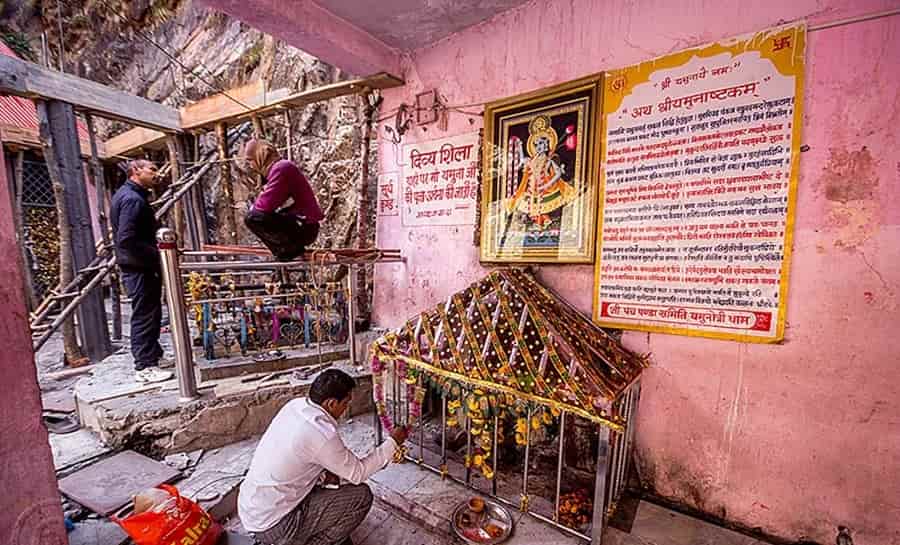
Divya Shila is a sacred rock pillar located near Surya Kund with immense mythological significance. Before entering the Yamunotri temple, you need to pay homage to this pillar. According to Hindu mythology, Divya Shila is the spot where Yamuna, Surya’s daughter, first descended to Earth.
Saptarishi Kund
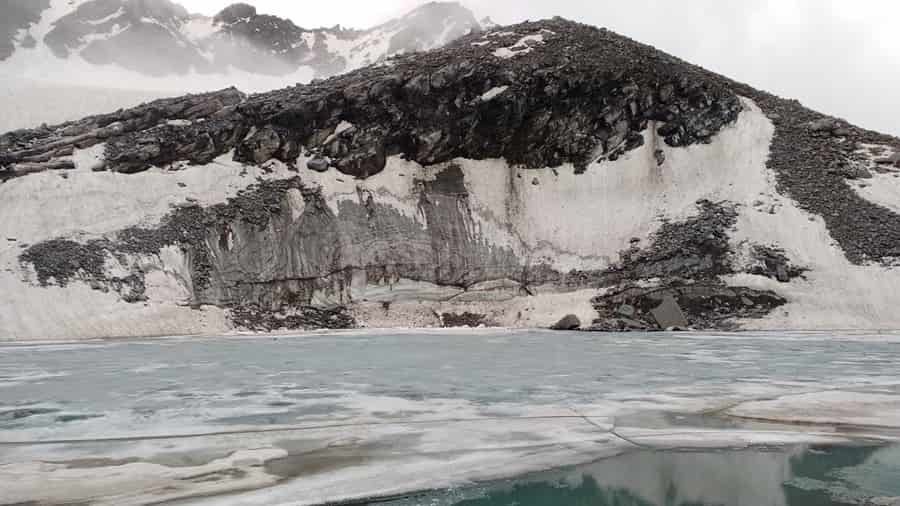
Saptrishi Kund is located at a distance of around 10 km away from the Yamunotri temple. Brahma Kamal, a rare Himalayan flower, surrounds this Kund. This Saptrishi Kund has been named after the seven rishis who performed yoga and penance here. By taking a dip in this Kund, you can cleanse your mind, body, and soul.
Surya Kund
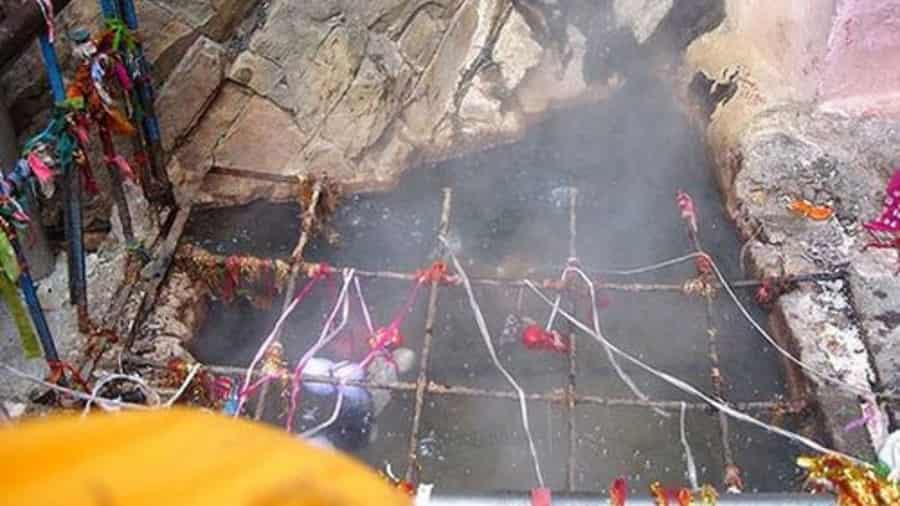
Surya Kund is one of the best places you can visit during the Chardham Yatra. It is located near the main temple. All tourists stop by this Kund to pay respect to the Sun, which is believed to be the father of Yamuna. The temperature of this hot water spring is around 88°C and its water has medicinal properties that provide relief to travelers.
Must Visit Places to Visit during Gangotri Yatra
Explore the Most Sacred and Scenic Destinations on the Way to Gangotri.
Jalmagna Shivling
During the summer, this Shivling — Lord Shiva’s natural idol — becomes half-submerged as the river water level rises during snowmelt. This natural Shivling can only be fully seen during the winter. It is believed to be the place where the river Ganga was held in Lord Shiva’s matted locks before flowing.
Gangotri National Park

Gangotri National Park is a high-altitude wildlife sanctuary located in the Uttarkashi district of Uttarakhand. It is Uttarakhand’s third-largest wildlife sanctuary, dotted with rare flora and fauna. Its habitat comprises glaciers, coniferous forests, and alpine meadows. Gomukh glacier, the Ganga’s origin point, is the main attraction of this national park.
Harsil
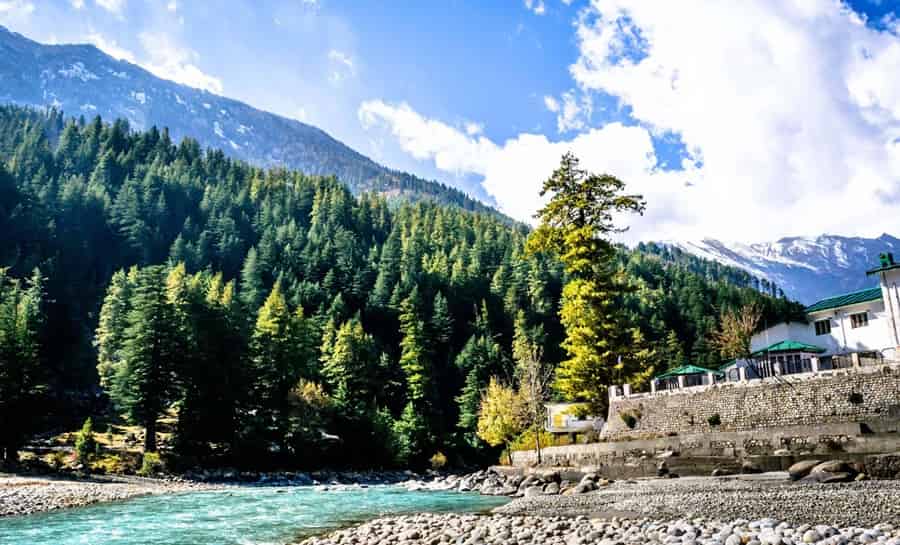
Harsil is situated within half an hour from the Gangotri temple. It is considered one of the most preserved gems of the Himalayas, surrounded by snow-capped peaks and lush green trees. After the main gate of Gangotri Temple is closed, Goddess Ganga’s idol is brought here.
Uttarkashi and Guptkashi
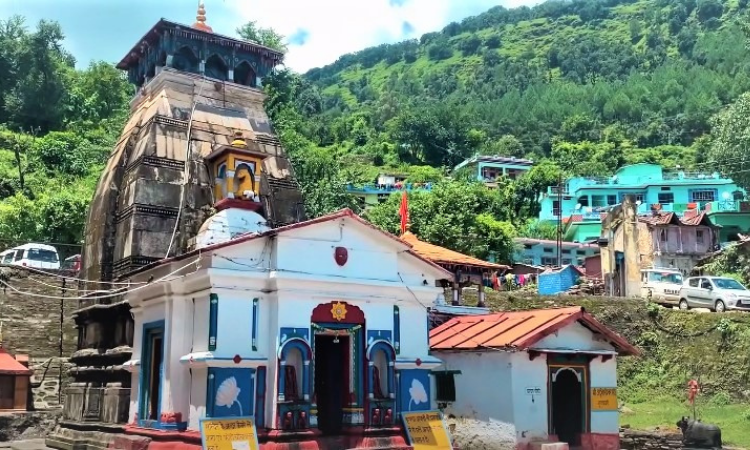
Uttarkashi is a sacred site dotted with many ashrams and temples. It also houses the National Mountaineering Institute and the Kashi Vishwanath temple.
Guptkashi is located within the Mandakini Himalayan valley. For those traveling to Kedarnath, Guptkashi serves as an important overnight stopover.
Bhairon Ghati

Located between Uttarkashi and Gangotri at the confluence of Jahnavi and Bhagirathi rivers, Bhairon Ghati is a picturesque halt point with a Bhairavnath temple. Most road travelers stop here for a break and to enjoy the stunning river views.
Must Visit Places to Visit during Kedarnath Yatra
We bring to you a list of the top places you must visit during the Kedarnath Yatra.
Vasuki Tal
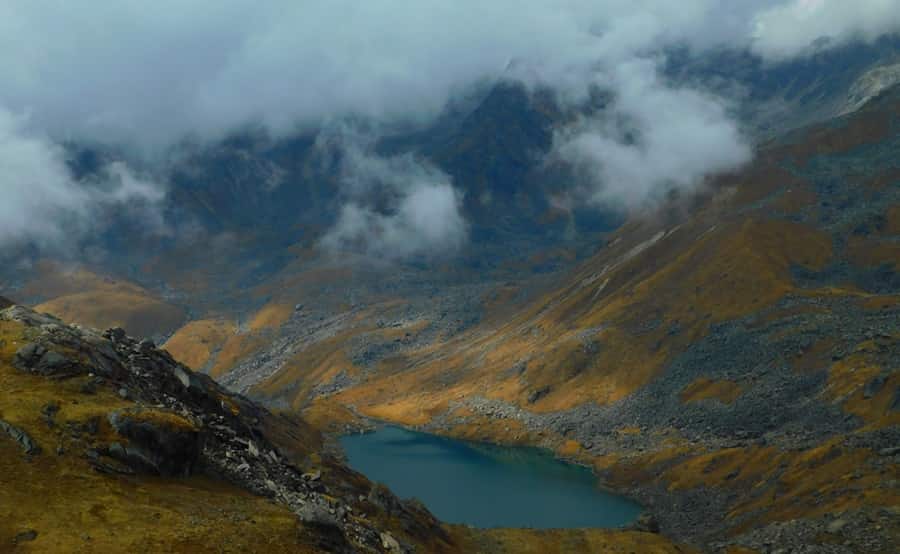
Vasuki Tal is a splendid lake located 5 km away from Kedarnath. For adventure lovers, it is one of the best trekking destinations. Glimmering melting water from surrounding mountains drains into this lake, offering picturesque views. From Vasuki Lake, you can enjoy the splendid view of Chaukhamba peaks.
Gandhi Sarovar
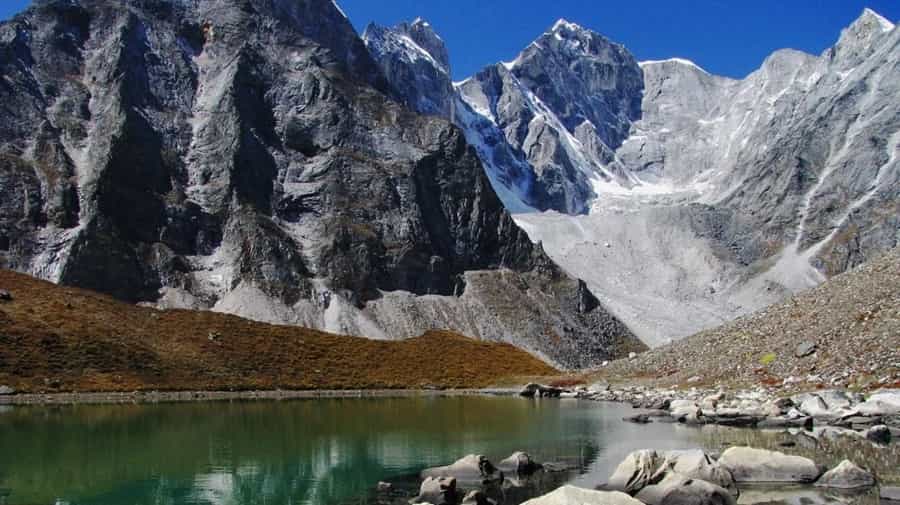
Gandhi Sarovar has been named after Mahatma Gandhi — his ashes were immersed here. It is located at an altitude of 3,900 metres and a distance of around 4 km from the Kedarnath temple. It is believed that Lord Shiva imparted his knowledge of yoga to Saptarishis here. The trek to Gandhi Sarovar takes you through grassy fields.
Bhairavnath Temple
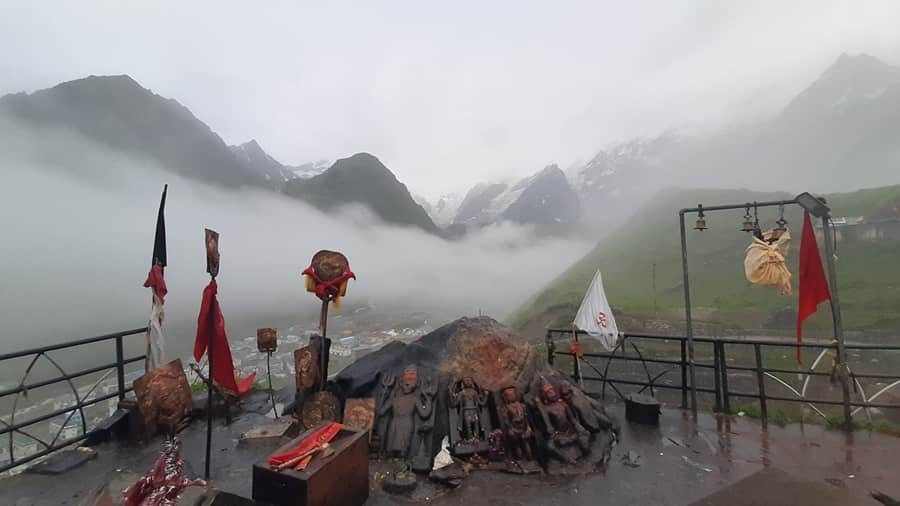
Located close to the Kedarnath Temple, the Bhairavnath Temple is dedicated to Lord Bhairava — considered the protector of Kedarnath Dham. According to tradition, pilgrims who have taken darshan at Kedarnath Temple also visit the Bhairavnath Temple to complete the pilgrimage. It is accessible by a short uphill walk from the main temple.
Must Visit Places to Visit during Badrinath Yatra
Here are the top spots you shouldn’t miss along the Yatra route.
Valley of Flowers

Valley of Flowers is one of the most beautiful places you can visit during your Chardham Yatra. It is situated near Badrinath Temple. It is known for its rare flora, vibrant meadows, and tranquil surroundings. You can walk along the Valley of Flowers trail and appreciate the breathtaking scenery. Best visited July–September when the flowers are in full bloom.
Vasundhara Falls

Vasundhara Falls is a beautiful waterfall that falls from a height of 400 feet. This fall is situated approximately 9 km from the main Badrinath temple, accessible via Mana village. From this waterfall, you can enjoy spell-binding views of majestic mountains.
Auli

Auli is a scenic hill station situated near Joshimath, falling en route to Badrinath Dham. It is perched at a height of approximately 2,519 metres and offers stunning views of Kamet, Nanda Devi, and Mana Parvat. Professional skiers visit this place during winter to enjoy the ski slopes.
Mana Village
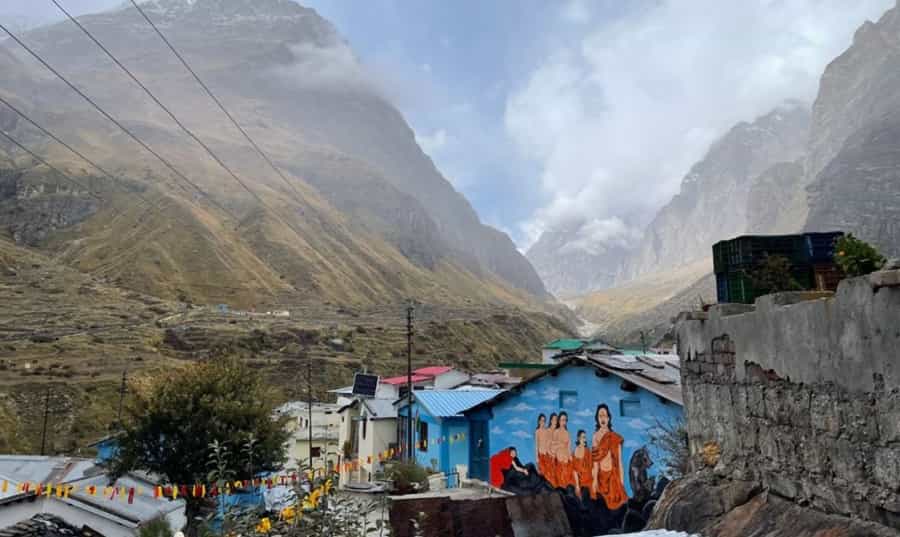
Mana Village is the last inhabited village in India before the Tibet border, located just 3 km from Badrinath Temple. It has significant mythological importance — Vyasa Cave (where Maharshi Vyas wrote the Mahabharata) and Bhimpul (a natural rock bridge believed to be placed by Bhima) are located here. Most Badrinath pilgrims visit Mana as part of their darshan experience. Do not miss the Saraswati River which disappears underground near Mana.
Best Time to Visit Each Dham
| Dham | Best Time | Avoid |
| Yamunotri | May–June, September–October | July–August (landslides) |
| Gangotri | May–June, September–October | July–August (rain, rough roads) |
| Kedarnath | May–June, September–October | July–August (trek trail closures) |
| Badrinath | May–June, September–October | July–August (road closures) |
Practical Tips for Chardham Sightseeing
- Most sightseeing spots beyond the main temples require separate walks or short treks — wear comfortable footwear
- Vasuki Tal, Saptrishi Kund, and Gandhi Sarovar are half-day or full-day excursions — plan an extra day if you want to visit these
- Valley of Flowers requires a separate trip from Badrinath via Govindghat — takes a full day minimum
- Mana Village is just 3 km from Badrinath Temple — easily covered on the same day of Badrinath darshan
- All sightseeing is seasonal — most spots are accessible only May to October/November
- Carry water, snacks, and warm layers even for day walks near the temples
Conclusion
If you want to make your journey to Chardham even more meaningful and unforgettable, definitely visit the places mentioned above. These destinations are havens for nature lovers, spiritual souls, and adventure lovers — and each one adds a different dimension to the overall Chardham Yatra experience.
Frequently Asked Questions
Q-1: How many days are needed for complete Chardham Yatra sightseeing?
Ans: A typical Chardham Yatra with visits to the four main temples takes 10–12 days from Haridwar. If you want to include major sightseeing like Valley of Flowers, Vasuki Tal, and Mana Village, plan 14–16 days.
Q-2: Can senior citizens visit all the Chardham sightseeing spots?
Ans: The main temples are accessible with pony, palki, or helicopter options. However, some sightseeing spots like Vasuki Tal and Saptrishi Kund involve difficult trekking and are not recommended for senior citizens or those with health issues. Mana Village, Harsil, and Gangotri National Park are more accessible.
Q-3: What is the best season for Chardham Yatra sightseeing?
Ans: September and October are the best months — post-monsoon clarity, less crowded, pleasant temperatures. May–June is also good but more crowded. Avoid July–August due to landslide risk.


 Call
Call Enquiry