
If you are searching Places to Visit in Triyuginarayan, you are not just planning a regular hill trip. You’re stepping into a mythological village in Triyuginarayan, located in the Rudraprayag district of Uttarakhand.
This is believed to be the sacred site where Lord Shiva married Goddess Parvati, with Lord Vishnu acting as the divine witness.
But beyond mythology, what you’ll find here is something rare — silence, stone temples, open Himalayan views, and a pace of life that feels untouched.

Let’s break it down properly — with practical details, not just legends.
1) Triyuginarayan Temple – The Spiritual Center
The ancient temple is the first and most important attraction in Triyuginarayan.
Why This Temple Is Unique
- Believed wedding site of Shiva and Parvati
- Eternal flame burning in front of the temple
- Architecture similar to Kedarnath Temple
- Protected heritage structure (recognized by ASI)
The temple structure is built from heavy grey stones. No flashy decoration. No commercialization. Just raw Himalayan architecture.
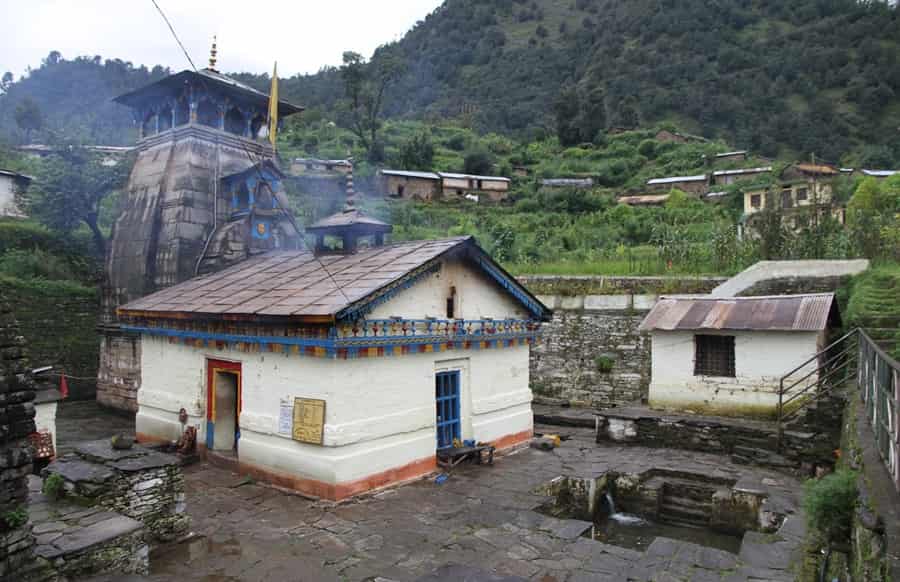
From practical observation:
- Mornings are peaceful and less crowded
- Temple priests conduct simple rituals
- Photography allowed outside the sanctum
Couples from across India come here for wedding ceremonies, believing it brings long-lasting marital harmony.
- Suggested Tour: Triyuginarayan Wedding Package
2) The Akhand Dhuni – The Eternal Flame

Right in front of the temple courtyard burns the sacred fire called Akhand Dhuni.
Local belief says this fire has been burning since the divine wedding, across three yugas — which is how the village got its name “Triyugi.”
What Visitors Do Here
- Offer small wooden sticks
- Collect ash as blessing
- Sit quietly for meditation
In real life, this fire pit becomes the emotional center of your visit. You’ll see pilgrims sitting silently for long periods — not rushing like at bigger shrines.
3) The Sacred Kunds Around the Temple
Four small water tanks (kunds) surround the temple complex.
| Kund Name | Associated With | Practical Note |
|---|---|---|
| Rudra Kund | Lord Shiva | Used for ritual bathing |
| Vishnu Kund | Lord Vishnu | Clear water, symbolic purification |
| Brahma Kund | Lord Brahma | Ritual ceremonies |
| Saraswati Kund | Saraswati stream | Seasonal flow |
Locals believe these waters are spiritually connected to the Saraswati stream.
These kunds complete the temple circuit and are an important part of the experience when exploring in Triyuginarayan.
4) Kedarnath Mountain Views

On clear days, you can see snow-covered Himalayan ranges connected to the Kedarnath region.
Triyuginarayan lies around 25 km (aerial distance) from Kedarnath, though the trekking route differs.
Compared to Kedarnath:
- Less crowd
- No heavy commercial activity
- Easier road access
If you want Himalayan beauty without intense trekking, this village offers a softer alternative.
5) Sonprayag – Transit Hub Nearby
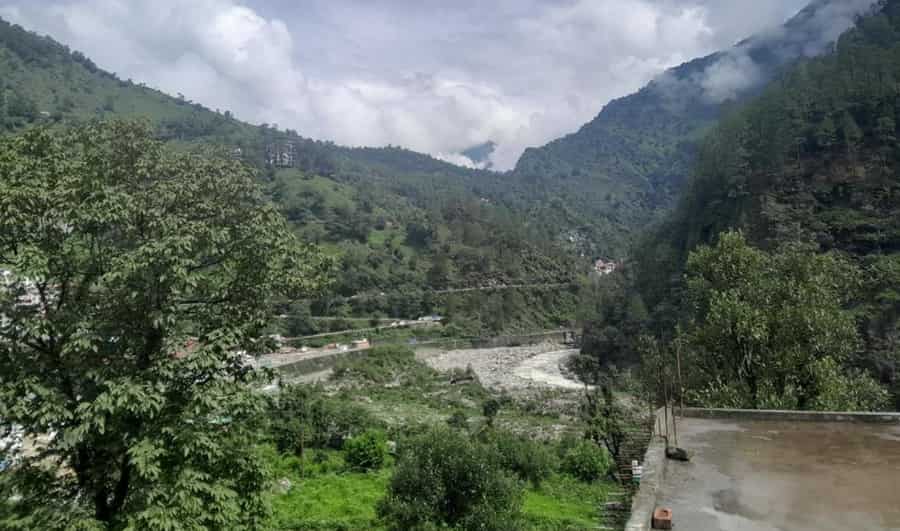
Sonprayag is about 12 km away and acts as a major transit point for Kedarnath pilgrims.
Why it matters:
- Shared jeeps available
- Basic hotels and eateries
- Taxi transfers to Triyuginarayan
Most travelers combine both places in a single trip.
6) Gaurikund – Mythological Extension
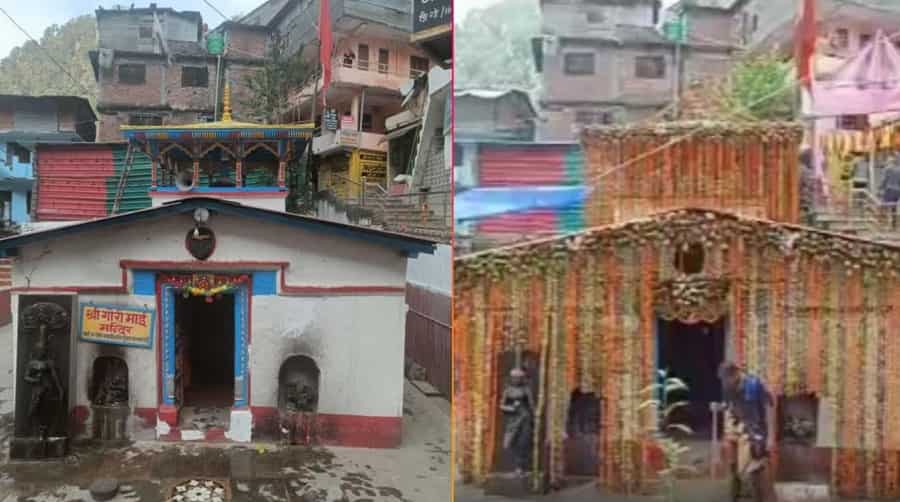
About 20 km away lies Gaurikund.
According to belief:
- Parvati performed penance here before marriage
- Natural hot water spring exists
Even if you’re not trekking to Kedarnath, visiting Gaurikund adds mythological continuity to your journey.
7) Deoria Tal – Nature + Photography Spot

For nature lovers, Deoria Tal is a fantastic nearby option.
Highlights:
- Reflection of Chaukhamba peaks
- Easy 2 km trek
- Camping allowed
Distance: Approx. 35 km by road + short hike.
This spot balances your spiritual trip with pure Himalayan landscape beauty.
How to Reach Triyuginarayan
By Air
Nearest airport: Jolly Grant Airport
Distance: Approx. 240 km
By Train
Nearest major railway station: Rishikesh Railway Station
By Road (Most Practical Option)
| Route | Distance | Approx Time |
|---|---|---|
| Rishikesh → Rudraprayag → Sonprayag → Triyuginarayan | ~220 km | 8–9 hrs |
Road condition: Mostly good but mountainous. Landslides possible during monsoon (as reported frequently in TOI and Hindustan Times during heavy rains in Uttarakhand).
Best Time to Visit
April – June
- Pleasant weather
- Pilgrimage season
- Accessible roads
September – November
- Clear skies
- Fewer crowds
- Best mountain views
Avoid:
- July–August (heavy rainfall, landslide risk)
- January peak winter (road blockage due to snow)
Cost Breakdown (2-Day Budget Estimate)
| Category | Budget Range (INR) |
|---|---|
| Shared Jeep | 800–1200 |
| Private Cab | 5000–7000 |
| Budget Stay | 1000–2000 per night |
| Food | 300–600 per day |
Note: Prices increase during Char Dham season.
Travel Tips
- Start early from Rishikesh (5–6 AM recommended)
- Carry cash — limited ATMs
- Mobile network weak (Jio/BSNL works better)
- Wear layered clothing
- Respect temple rituals
What most people don’t realize: evenings get cold even in May.
Common Mistakes Travelers Make
- Expecting luxury hotels
- Ignoring weather forecast
- Visiting during heavy rain
- Not checking road status
Always check Uttarakhand Disaster Management advisories before traveling.
Safety Advice
Uttarakhand is prone to landslides during monsoon. State government frequently issues travel alerts during heavy rainfall.
Before traveling:
- Confirm route conditions
- Avoid night driving in hills
- Keep emergency contacts handy
FAQs
1. Is Triyuginarayan part of Char Dham?
No, but spiritually connected to Kedarnath circuit.
2. Can couples get married here?
Yes, temple authorities allow wedding ceremonies with permission.
3. Is trekking required?
No. Road access reaches the village.
4. How many days are enough?
1–2 days are sufficient.
5. Is snowfall common?
Yes, in peak winter months.
6. Is it safe for elderly travelers?
Yes, due to motorable road access.
7. Are there good hotels?
Basic guesthouses available.
8. Is photography allowed?
Yes, outside temple interiors.
9. Is food easily available?
Simple vegetarian food available.
10. Is advance booking required?
Recommended during peak Char Dham season.
Final Thoughts
Triyuginarayan is not a commercial tourist hill station.
It doesn’t have malls, cafés, or nightlife.
Instead, it offers:
- Mythology
- Himalayan silence
- Authentic village atmosphere
- Deep spiritual calm
When exploring Places to Visit in Triyuginarayan, come with realistic expectations. Sit near the eternal flame. Walk around the stone courtyard. Watch the mountains change color at sunset.
- Check out: Hotels near Trijuginarayan


 Call
Call Enquiry