
Are you looking for tourist places in Gangotri? It is a holy destination in Uttarakhand known for its spiritual value and beautiful scenery. These places are famous among pilgrims, but adventure lovers, bikers, and photographers also come to enjoy the peaceful atmosphere. This meticulously created guide explains the best places to visit in Gangotri, their locations, highlights, and the best time to explore them.
Gangotri has many beautiful sights that visitors should not miss. The cool, gentle breeze, the sound of flowing rivers, and the sight of snow-covered peaks make these spots more magical. It’s not only about temples. These picturesque tourist sites are renowned for their spiritual and serene vibes and beautiful landscapes.
Quick Overview
| Place Name | Location | Best For | Best time to visit |
| Gangotri Temple | Gangotri Town | Spiritual Visit, Aarti | May-October (Morning) |
| Gaumukh Glacier | 19 km trek | Trekking, pilgrimage | May–October |
| Pandav Gufa | 1.5 km | Peace, meditation | Morning hours |
| Dodital Lake | 22 km trek (2 days) | Trekking, camping | April–November |
| Gangotri National Park | Near Gangotri | Wildlife, trekking | May–October |
| Dayara Bugyal | Via Barsu village | Meadows, camping, skiing | May–June, Dec–Feb |
| Harsil Valley | 72 km from Uttarkashi | Nature, relaxation | March–June |
| Tapovan | Near Gangotri | Spirituality, hot springs | May–October |
| Nelong Valley | On the banks of River Bhagirathi | Spiritual retreats, trekking, and serene ambiance | May, June, September, and October |
Let’s discuss these places in detail so you can plan your trip to Gangotri accordingly.
Gangotri Temple
Key Highlights:
- Dedicated to Goddess Ganga, part of Char Dham Yatra.
- 20 feet high, at 3,100 meters.
- Aarti timings: 6:15 AM – 2 PM and 3 PM – 9:30 PM.
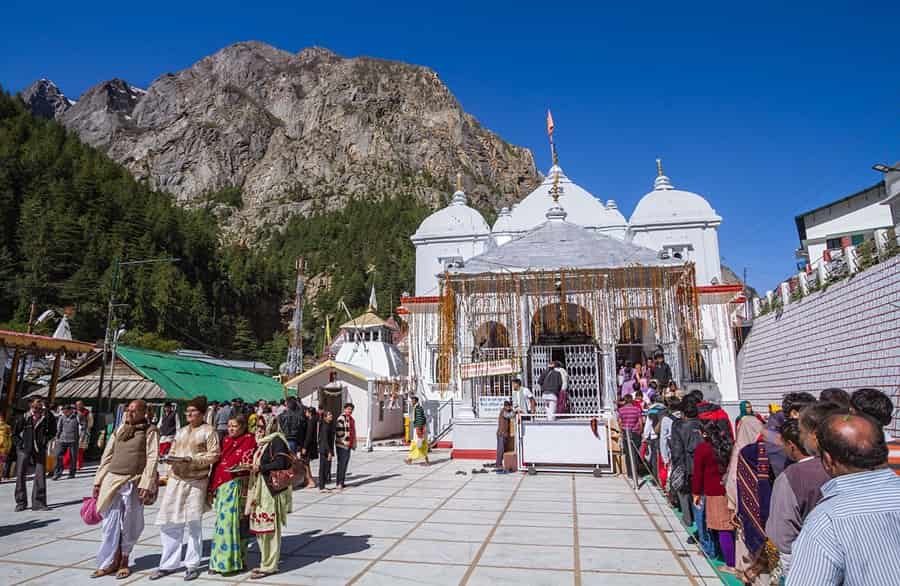
This beautiful temple in Gangotri is built from marble. It is 20 feet high and is located at a high stone base, and is dedicated to the River Ganga. According to local belief, no Char Dham Yatra is said to be complete if you miss visiting this holy shrine.
This ancient temple, dedicated to Goddess Ganga, was built in the 18th century by Amar Singh Thapa, a respected Gurkha commander. Visitors should take part in the temple’s Aarti and experience the soul-soothing Ganga Aarti. Dense forest, beautiful rivers, and the Himalayan mountains surround this place.
Timings- 6.15 AM to 2 PM and 3 PM to 9.30 PM
Gaumukh Glacier
Key Highlights
- One of the largest Indian glaciers.
- Known for its “cow’s mouth” shape.
- Views of peaks like Shivling and Bhagirathi Sisters.
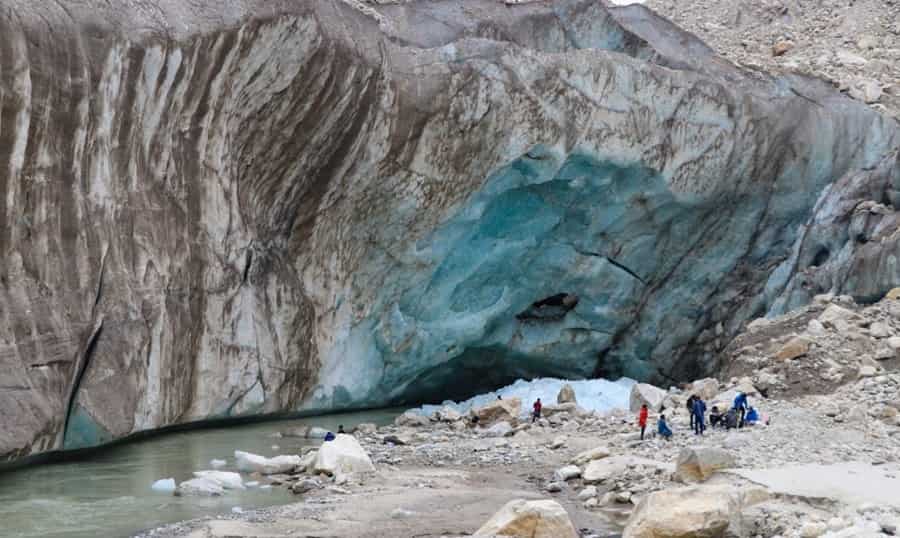
Gaumukh is one of the largest glaciers in India, which is 30 km long and 4 km wide. The trek from Gangotri to the Gaumukh Glacier snout is approximately 19 km one way. You can see beautiful Himalayan peaks like Shivling, Sudarshan, Meru, Bhagirathi Sisters, Kharchakund, and many more. Trekkers and pilgrims can visit Gaumukh from May to October.
The name of Gaumukh comes from two words: “Gau” means cow, and “Mukh” means mouth. The end of the Gangotri Glacier looks like a cow’s mouth. Therefore, it was named Gaumukh. Many people come here to pray and take a dip in its icy water, believing it washes away negativity.
Note: Trek to Gaumukh is both physically and mentally challenging, hence it is best to plan some time for acclimatization.
Pandav Gufa
Key Highlights:
- Natural cave linked to the Mahabharata.
- 1.5 km trek from Gangotri.
- Surrounded by greenery.
- Best to be visited between 6 am and 6 pm.
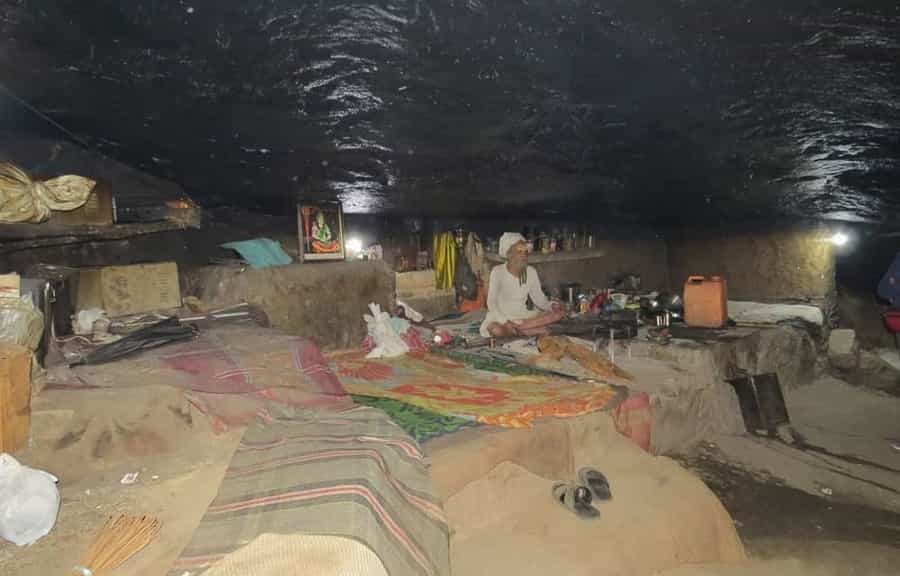
Pandav Gufa is an old natural cave, around 1.5 km from Gangotri Dham. Visitors can reach it by a short trek. According to Hindu mythology, the Pandavas from the Mahabharata meditated at Pandav Gufa while going to Mount Kailash. The trekking path is filled with greenery and beautiful views.
The trek starts from the GMVN Guest House near Suraj Kund Waterfall. Pandav cave is a quiet spot for people who want to avoid crowded areas. It’s best to visit during the day and return before evening.
Note: I would personally recommend you visit Pandav Gufa early in the morning, if you don’t like crowded places.
Dodital Lake
Key Highlights:
- Named after the Dodi fish.
- 22 km trek from Chatti, takes 2 days.
- Known for beauty and religious significance.
- Great for trekking, camping, and birdwatching.
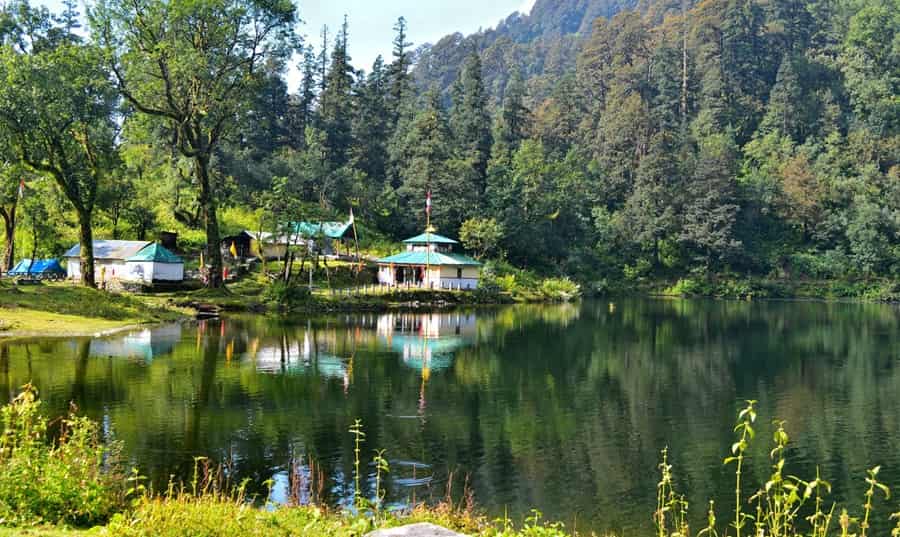
Lake Dodital gets its name from a special fish called “Dodi, “which is found in this area. This fish is found in only a few lakes, with Dodital being one of them. On one side of the lake, there’s a beautiful temple dedicated to Lord Ganesha. Mythology says that this is where Lord Ganesha was born.
The lake is 1.5 kilometers in circumference, surrounded by deodar trees. To reach the destination, you will have to cover a trek of 22 kilometers from Chatti, which usually takes two days. The trek to Dodi Tal is moderately challenging and gets tougher when you continue toward Darwa Pass. Dodital is one of India’s most beautiful lakes, popular among nature lovers and trekkers. Visitors can enjoy trekking, camping, birdwatching, and more.
Note: The most beautiful time to visit Dodi Tal is in the morning or evening, when the reflection of the surrounding trees and mountains is visible in the water.
Gangotri National Park
Key Highlights:
- Located in Uttarkashi, named after the Gangotri Glacier.
- Known for trekking and wildlife.
- High-altitude landscapes and glaciers.
- Entry timings usually depend on permit regulations.

Gangotri National Park is located in the Uttarkashi district, Uttarakhand. It gets its name from the famous Gangotri Glacier. Adventure lovers will enjoy the challenging treks, snowy routes, and tranquil atmosphere in this national park.
While exploring the park, visitors can see some of the oldest villages, Gangotri Temple, and the regions near the origin of the Bhagirathi River. Gangotri National Park is in the beautiful Garhwal region and is one of India’s famous high-altitude wildlife sanctuaries. It is known for its huge glaciers and dense green forests.
Dayara Bugyal (Meadow- A field of green grass)
Key Highlights:
- High-altitude green meadow (3,950 meters).
- Popular for trekking and camping.
- Skiing in winter.
- Accessible via Barsu village.
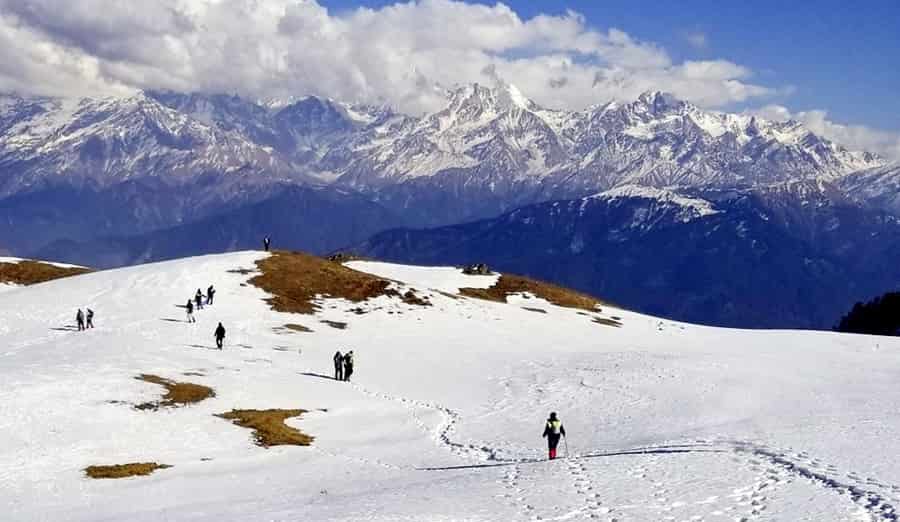
Dayara Bugyal is a beautiful green meadow at an altitude of 3,950 meters (12,956 feet) above sea level. These kinds of meadows are not common in India and are mostly found in the Himalayan region. A long time ago, Shepherds and Nomads discovered this land and spoke about its beauty.
‘Bugyal’ means a high-altitude meadow in the local language. Over time, many trekkers and nature lovers started exploring it. The trek starts from Barsu village, passing through Raithal. This place is perfect to explore in May and June for camping, taking photos, and enjoying nature walks. In winter, Dayara Bugyal becomes a famous spot for skiing.
Harsil
Key Highlights:
- Valley with deodar trees and apple orchards.
- Located 72 km from Uttarkashi district.
- Peaceful and scenic.
- Open year-round, cold in winter.
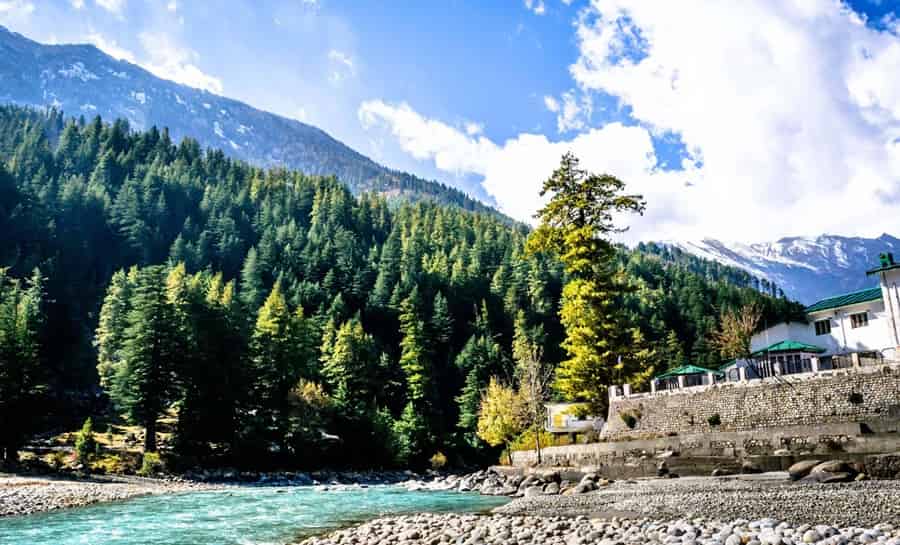
Harsil is a beautiful valley where most of the people belong to the Bhotia tribe. The weather in Harsil stays comfortable in summer, but in winter, it becomes very cold and can reach freezing temperatures.
Harsil is known for its deodar and apple trees. It is about 72 km from Uttarkashi, on the way to Gangotri. The Bhagirathi River passes through Harsil, which makes it even more beautiful. You can take a short walk, visit nearby villages, or just relax near the river.
Tapovan
Key Attractions
- Spiritual site with hot springs.
- Views of Nanda Devi, Dronagiri, and Chaukhamba.
- Associated with several high-altitude Himalayan treks in Uttarakhand.
- Best to be visited between 6 AM and 8 PM.
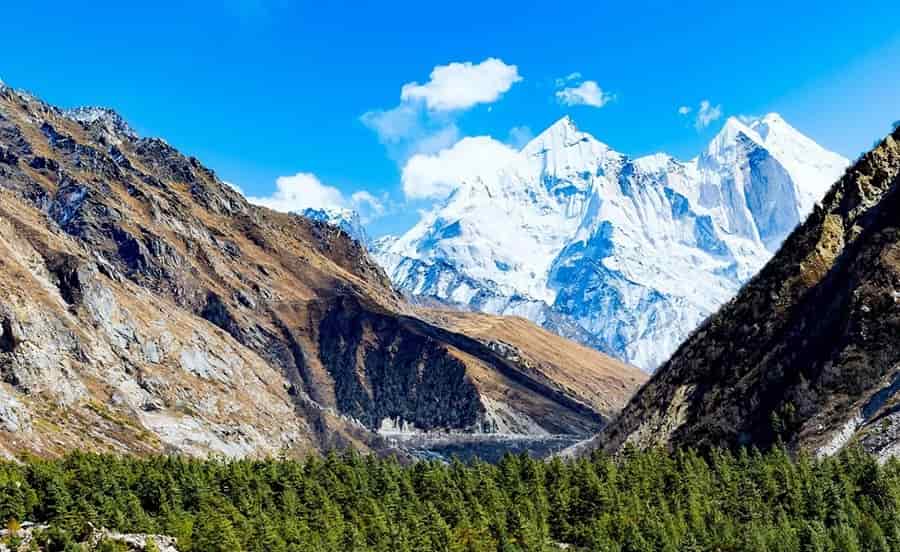
The word Tapovan comes from two Sanskrit words: ‘Tapas, ‘ which means deep meditation, and ‘Vana,’ which means forest. A Tapovan is a place where saints, monks, or wise people practice meditation and focus on their spiritual growth. It is also known for its stunning views and hot springs, and attracts many visitors because of its healing properties for skin problems.
Here, you can enjoy amazing views of famous peaks like Nanda Devi, Dronagiri, and Chaukhamba, making it a popular spot for tourists.
Nelong Valley (The Ladakh of Uttarakhand)
Key Attractions
- “Ladakh of Uttarakhand” with a cold desert landscape.
- Views of the Tibetan Plateau.
- Features ancient structures like the Gartang Gali Bridge.
- Occasional sightings of wildlife like musk deer are reported.
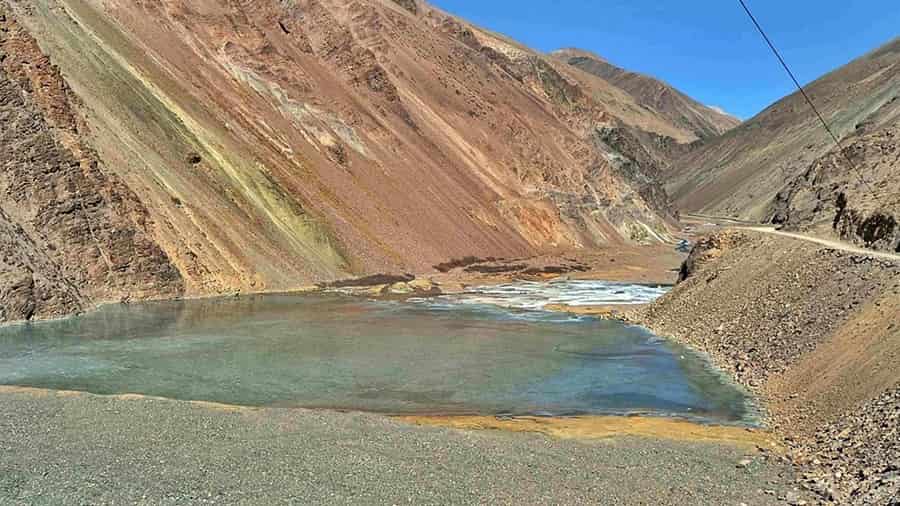
Nelong Valley’s cold desert is a wonderful experience for explorers. You can see a full view of the Tibetan Plateau and a stunning landscape. You feel like you’re in a peaceful spot far from all the noise.
It looks very similar to Ladakh, with high peaks and a climate like Lahaul and Spiti Valley. In Nelong Valley, you can see old structures like the Gartang Gali Bridge and Lal Devta temple. Moreover, there is also a chance to see leopards or musk deer.
Travel Tips
- Best Time to Visit – The best time to visit Gangotri is from May to October, when the weather is nice, and the paths are easy to walk. The temple is closed in winter because of heavy snow.
- Accommodations- Since accommodation is limited in hilly areas, it’s best to book in advance. In Gangotri, there are many guesthouses, lodges, and ashrams for pilgrims and tourists.
- Safety- Walk along the clear paths, and if you are trekking, hiring a guide is a smart choice. Make sure your phone is charged, but remember that some places may have weak signals.
- Permits- One needs to get a mandate permit for the Gaumukh trek and for entry into certain zones of Gangotri National Park.
Frequently Asked Questions (FAQs)
Q1. Is Gangotri worth visiting for non-pilgrims?
Yes, Gangotri is also a perfect destination for nature lovers, trekkers, and photographers.
Q2. How many days are enough for a Gangotri trip?
3–4 days are sufficient to explore Gangotri and nearby attractions.
Q3. Is a permit required for the Gaumukh trek?
Yes, permits are mandatory for Gaumukh and Gangotri National Park.
Q4. Is Gangotri safe for solo travelers?
Yes, but it is advisable to hire a guide for trekking and always check the weather.
Q5. Which is the most recommended month to visit Gangotri?
May, June, September, and October are the best months due to favorable climatic conditions and clear routes.
Q6. Can elderly people visit this pilgrimage?
Yes, senior citizens can visit Gangotri Temple, but they should move slowly due to the high altitude and cold weather.
Q7. Can I plan a family trip to Gangotri Dham?
Yes, Gangotri is suitable for families, especially those interested in spirituality, nature, and peaceful surroundings.
Conclusion
Gangotri is a great spot for both pilgrims and adventure lovers. It has beautiful views and peaceful surroundings. Visitors can see the ancient Gangotri Temple, the beautiful Gaumukh Glacier, and the peaceful Pandav Gufa. If you love nature, make sure to visit Dodital Lake, Harsil Valley, and the beautiful Dayara Bugyal meadow. If you are into adventure and wildlife,
Gangotri National Park is the place to explore. In Tapovan, you can take in beautiful views of hot springs, and in Nelong Valley, you can experience the peaceful cold desert. The best months to visit are from May to October because the weather is comfortable. Make sure to book your stay in advance, follow safety rules, and keep your phone charged. Some places need special permits, so try to get them before you go. Gangotri is a beautiful and peaceful place to visit.
Check out:


 Call
Call Enquiry